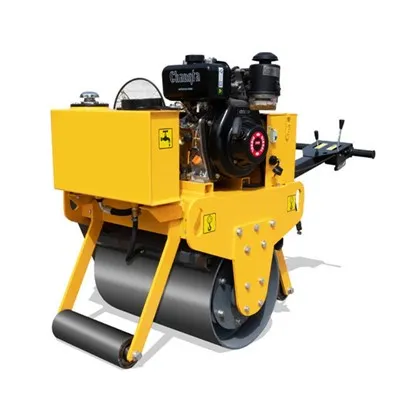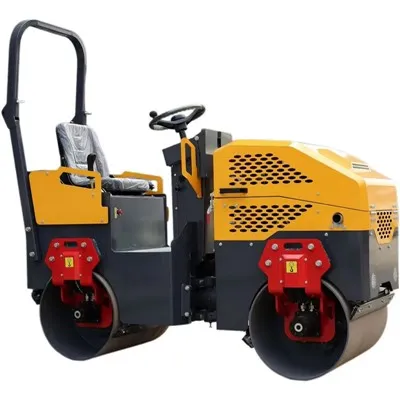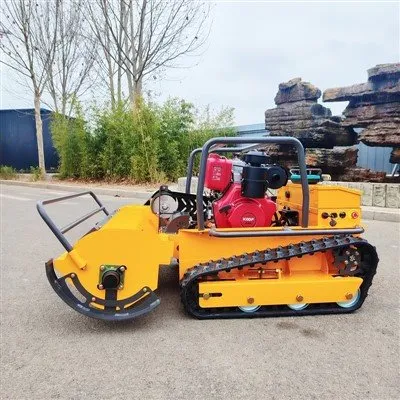

Can a mini excavator be used for archaeological digs? That's a question I've been getting a lot lately as a mini excavator supplier. So, I thought I'd sit down and hash this out in a blog post.
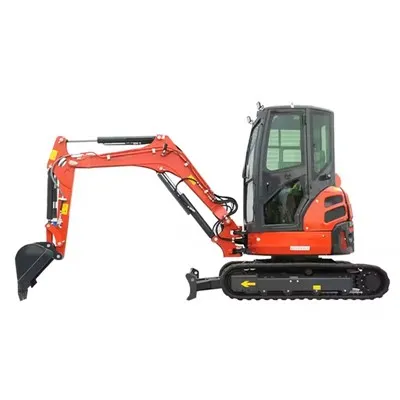
Let's start by understanding what a mini excavator is. Mini excavators are small, compact machines that pack a punch. They're great for jobs where space is limited, and they're versatile enough to handle a variety of tasks. We've got some awesome models in our inventory, like the 1800kg Diesel Mini Excavators, which are powerful and fuel - efficient, and the Small Trench Mini Excavator, perfect for digging those narrow trenches.
Now, onto the main question: can they be used for archaeological digs? Well, it's a bit of a double - edged sword.
The Case for Using Mini Excavators in Archaeology
First off, the size of mini excavators is a huge plus. Archaeological sites are often in areas where large machinery can't really get in. A big - ass excavator is gonna cause all sorts of problems, like disturbing the surrounding environment too much. But a mini excavator can easily navigate tight spaces, whether it's a small courtyard in an old city or a forested area with limited access.
Take, for example, the initial site clearance. Mini excavators can quickly remove topsoil, vegetation, and other debris. This saves archaeologists a ton of time and manual labor. With the Landscaping Excavator Enclosed Cab, the operator is protected from the elements while getting the job done efficiently.
They're also useful for creating access roads or pathways to the dig site. These pathways can help in transporting equipment and materials, making the whole excavation process smoother. And let's not forget about their precision. Modern mini excavators come with hydraulic controls that allow for very accurate digging. You can adjust the depth and width of the dig with relative ease, which is super important when you don't want to damage any potential artifacts.
The Cons of Using Mini Excavators in Archaeology
But it's not all sunshine and rainbows. One of the biggest concerns is the potential damage to archaeological artifacts. Mini excavators, despite their precision, are still mechanical machines. There's always a risk that the bucket could accidentally hit and break a valuable artifact. Archaeological finds are often fragile and can be easily destroyed by the force of an excavator.
Another issue is that mini excavators can disrupt the stratigraphy of a site. Stratigraphy is the study of the layers of soil and sediment at an archaeological site. These layers can tell us a lot about the history of the area, like the time periods when different human activities took place. The operation of an excavator can mix up these layers, making it harder to interpret the data correctly.
Precautions and Best Practices
If you're considering using a mini excavator for an archaeological dig, there are some precautions you need to take. First, an experienced archaeologist should always be on - site to oversee the operation. They can guide the operator on where to dig and where not to dig.
Before the excavation starts, a thorough survey of the site should be done. Ground - penetrating radar or other non - invasive techniques can be used to locate potential artifacts and buried structures. This way, the mini excavator can be used more safely, avoiding areas where there might be significant finds.
The operator of the mini excavator also needs to be well - trained. They should understand the sensitivity of archaeological sites and be able to adjust their digging techniques accordingly. For example, they might start with a very shallow, wide - area dig to get a better idea of what's below the surface before digging deeper.
Our Range of Mini Excavators for Various Needs
As a mini excavator supplier, we offer a wide range of models that can be adapted for different archaeological projects. The 1.5 - 6.5 Ton Mini Excavator gives you a choice of size and power based on the requirements of the dig. If you need something even smaller and more maneuverable, our 1000kg Mini Crawler Excavator Digging is a great option.
These mini excavators come with features that can be beneficial for archaeological work. For instance, some models have adjustable bucket teeth that can be changed depending on the type of soil or debris you're dealing with. Others have enhanced visibility for the operator, which is crucial when working in a sensitive area.
Conclusion and Call to Action
In conclusion, while mini excavators can be used for archaeological digs, it's important to approach it with caution. With the right precautions, they can definitely speed up the excavation process and make it more efficient. But the preservation of archaeological artifacts and the integrity of the site should always be the top priority.


If you're an archaeologist or part of an archaeological project and think a mini excavator could be useful, don't hesitate to reach out. We're here to help you choose the right model for your specific needs and answer any questions you might have. Whether it's about the technical features of the machine or how to use it safely on an archaeological site, we've got you covered. Let's start a conversation and see how we can make your project a success.
References
- Archaeological Institute of America. "Best Practices in Archaeological Excavation."
- National Park Service. "Archaeological Methods and Techniques."