
Picking the right small compactor can be a real head - scratcher, especially if you're new to the construction or landscaping game. But don't worry! I'm here to help you out. As a small compactor supplier, I've seen it all and I'm gonna share some tips on how to choose a small compactor that fits your needs like a glove.
Know Your Job Requirements
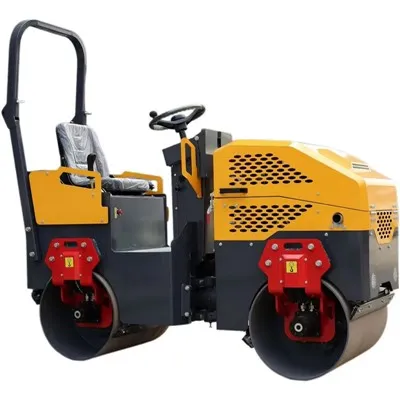
First things first, you gotta figure out what you're gonna use the small compactor for. Different jobs call for different types of compactors. For instance, if you're working on a small asphalt driveway, a Double Drum Roller might be your best bet. It provides even compaction and is great for smooth surfaces.
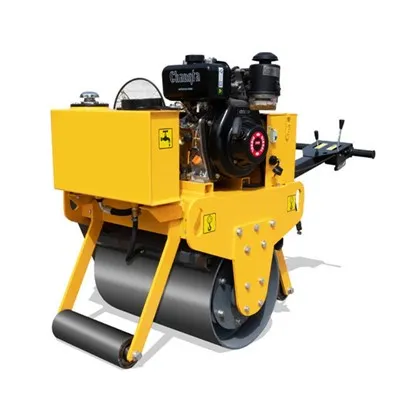
On the other hand, if you're dealing with soil compaction for a foundation or a garden bed, a Single Drum Roller could be more suitable. It has a single large drum that can apply a lot of pressure to the soil, getting the job done efficiently.
If you're in an area where electricity isn't readily available, a Gasoline Road Roller is a practical choice. It gives you the freedom to work in remote locations without having to worry about power sources. And for really tight spaces, like between buildings or in small alleys, a Mini Road Roller is super handy. It's small and maneuverable, allowing you to access those hard - to - reach spots.
Consider the Compaction Force
The compaction force is a crucial factor. It determines how well the compactor can compress the material. You'll need a high - compaction force for dense materials like gravel or large - scale asphalt projects. But if you're working with something lighter, like sand, a lower compaction force might be enough.
Most small compactors come with a specification that tells you the compaction force. Make sure to check this before you buy. You don't want to end up with a compactor that's too weak for the job, or one that's overkill and costs you more than you need to spend.
Look at the Size and Weight
The size and weight of the small compactor matter a lot. If you have to move the compactor around a lot, a lighter and more compact model will be easier to transport. But remember, a heavier compactor usually means more compaction force. So, it's a bit of a balancing act.
If you're working in a small area, a smaller compactor will be easier to maneuver. You won't have to worry about it taking up too much space or knocking into things. Plus, a smaller compactor is often more affordable.
Check the Vibration Frequency
Vibration is what helps the compactor do its job. The vibration frequency is measured in cycles per minute (CPM). A higher vibration frequency generally means faster compaction. But again, it depends on the material you're working with.
For finer materials, a higher vibration frequency can be very effective. It helps the particles settle together more tightly. But for coarser materials, you might not need such a high frequency. Some small compactors allow you to adjust the vibration frequency, which is a great feature as it gives you more control over the compaction process.
Evaluate the Durability
You don't want to buy a small compactor that falls apart after a few uses. Look for a compactor made from high - quality materials. The drum should be made of strong steel that can withstand the pressure and wear. The frame and other components should also be durable.
Read reviews from other users to get an idea of how reliable a particular compactor is. You can also ask other contractors or landscapers about their experiences with different brands and models. A well - built compactor will save you money in the long run, as you won't have to keep replacing parts or getting it repaired.


Think about the Maintenance
Maintenance is another important aspect. A compactor that's easy to maintain will save you time and money. Look for compactors with accessible parts, so you can easily clean and lubricate them.
Some compactors require more frequent maintenance than others. For example, a gasoline - powered compactor will need regular oil changes and spark plug replacements. Make sure you're willing to put in the effort for maintenance before you make a purchase.
Consider the Price
Last but not least, of course, is the price. Small compactors can range from relatively inexpensive to quite costly, depending on the features and quality. Set a budget before you start looking, and try to find a compactor that meets your needs without breaking the bank.
Keep in mind that the cheapest option might not always be the best. Sometimes, it's worth spending a little more for a more reliable and efficient compactor. You'll get better performance and it'll last longer.
Making the Final Decision
Once you've considered all these factors, it's time to make a decision. You can always come to our Small Compactor page to see our range of products. We have a variety of small compactors to suit different needs and budgets.
If you're still not sure which one is right for you, feel free to reach out. We're happy to help you pick the perfect small compactor for your project. Don't let the decision - making process stress you out. With the right information and a bit of guidance, you'll be able to choose a small compactor that serves you well for years to come. So, get in touch and start your compaction project with confidence!
References
- General knowledge from years of experience in the small compactor supply business.
- Industry standards and guidelines for small compactors.