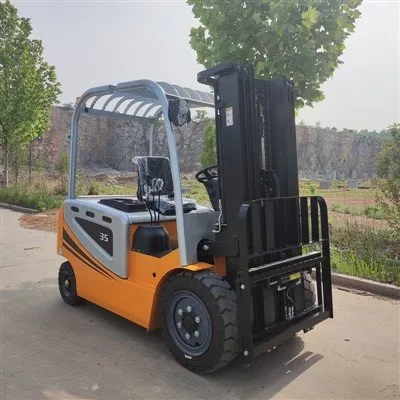

Optimizing forklift usage in a warehouse is crucial for enhancing efficiency, reducing costs, and ensuring a safe working environment. As a forklift supplier, I've seen firsthand how the right strategies can make a huge difference in a warehouse's operations. In this blog, I'll share some tips and tricks to help you get the most out of your forklifts.
1. Choose the Right Forklift for the Job
The first step in optimizing forklift usage is to select the appropriate forklift for your specific warehouse needs. Different forklifts are designed for different tasks and environments. For instance, if you're working on rough terrain outside the warehouse or in a construction - site adjacent to it, a 3 Ton Rough Terrain Forklift would be a great choice. These forklifts are built with sturdy tires and powerful engines to handle uneven ground.
On the other hand, for indoor warehouse operations, Warehouse Electric Forklift are often the best option. They are quiet, produce zero emissions, and are more energy - efficient compared to their diesel counterparts. If you're dealing with heavy - duty tasks in a construction site, a Construction Site Rough Terrain Forklift or a Construction Site Diese Lift Truck can offer the power and durability you need. And for general warehouse use where you need to balance loads, a Diesel Counterbalance Lift Truck might be ideal.
2. Proper Training for Operators
No matter how good your forklifts are, they won't be used optimally if the operators aren't trained properly. Make sure all forklift operators receive comprehensive training. This training should cover not only how to operate the forklift safely but also how to handle different types of loads.
Operators should know how to position the forks correctly, how to lift and lower loads smoothly, and how to drive the forklift at a safe speed. Regular refresher courses are also a good idea to keep the operators' skills up - to - date. A well - trained operator can reduce the risk of accidents, damage to goods, and wear and tear on the forklift.
3. Warehouse Layout Optimization
The layout of your warehouse can have a big impact on forklift usage. First, make sure there are clear and wide enough aisles for the forklifts to maneuver. Narrow aisles can slow down operations and increase the risk of collisions. You can also use markings on the floor to indicate the paths for forklifts, which helps to keep traffic organized.
Another aspect is the storage of goods. Group items that are frequently accessed together. This way, forklifts can make fewer trips and be more efficient. For example, if certain products are always shipped together, store them in adjacent racks.
4. Maintenance and Inspections
Regular maintenance is key to keeping your forklifts in top condition. It's important to follow a maintenance schedule that includes daily pre - shift inspections, as well as periodic in - depth servicing. During the daily inspections, operators should check things like the brakes, tires, lights, and the hydraulic system.
Any issues found during the inspections should be addressed right away. Ignoring small problems can lead to bigger, more expensive breakdowns down the road. In addition, proper maintenance also extends the lifespan of the forklifts, reducing the need for frequent replacements.
5. Load Management
Efficient load management can significantly improve forklift usage. First, understand the weight limits of your forklifts. Overloading can not only damage the forklift but also pose a serious safety risk. Train operators to always check the weight of the load before lifting.
You should also consider the shape and size of the load. Irregularly shaped loads can be more difficult to handle and may require special techniques or attachments. Using the right attachments, such as side - shift attachments or fork extensions, can make it easier to maneuver and place loads accurately.
6. Fleet Management
If you have multiple forklifts in your warehouse, good fleet management is essential. Keep track of each forklift's usage, including how many hours it has run, how frequently it is used for different tasks, and its maintenance history. This data can help you identify which forklifts are being under - or over - utilized.
You can then make adjustments, such as reallocating tasks or even considering selling or renting out under - utilized forklifts. Using a fleet management system can automate this process and provide real - time data on forklift performance.
7. Safety Measures
Safety should always be a top priority in a warehouse. In addition to operator training, there are several other safety measures you can implement to optimize forklift usage. For example, install safety features on the forklifts, such as backup alarms, lights, and mirrors.
Set up safety zones in the warehouse where pedestrians and forklifts have separate areas. This reduces the risk of accidents between people and forklifts. Also, make sure everyone in the warehouse is aware of the safety rules and the potential hazards associated with forklift operations.
8. Technology Integration
In today's digital age, technology can play a big role in optimizing forklift usage. For example, you can use GPS tracking systems to monitor the location of your forklifts in real - time. This helps you know where each forklift is at all times and can assist in quickly dispatching them to the right locations.
Another useful technology is telematics. Telematics systems can collect data on forklift performance, such as fuel consumption, speed, and braking patterns. Analyzing this data can help you identify areas where you can improve efficiency and reduce costs.
9. Energy Efficiency
If you're using electric forklifts, energy efficiency is an important consideration. Train operators to charge the forklift batteries properly, such as avoiding over - charging and under - charging. You can also implement a battery management system to ensure that the batteries are used and charged in the most efficient way possible.
For diesel forklifts, proper maintenance can help improve fuel efficiency. A well - maintained engine will burn fuel more cleanly and use less of it.
10. Continuous Improvement
Finally, optimizing forklift usage is an ongoing process. Regularly review your operations, collect feedback from operators, and analyze data on forklift performance. Look for areas where you can make further improvements, whether it's in terms of efficiency, safety, or cost - savings.
By continuously evaluating and adjusting your strategies, you can ensure that your forklifts are being used at their best in your warehouse.


If you're looking to optimize your forklift usage in your warehouse and are in the market for new or better - suited forklifts, we're here to help. As a leading forklift supplier, we offer a wide range of high - quality forklifts to meet your specific needs. Whether you need an electric forklift for indoor use or a rough - terrain forklift for outdoor tasks, we've got you covered. Contact us to start a conversation about your requirements and we'll work with you to find the perfect solutions for your warehouse operations.
References
- "Warehouse Operations Management: Best Practices" by Logistics Institute
- "Forklift Safety and Efficiency Guidelines" published by Occupational Safety and Health Administration
- "The Future of Forklift Technology" from Industry Insights Magazine