
As a seasoned supplier of walk - behind rollers, I often encounter inquiries from customers regarding the working width of these essential construction machines. The working width of a walk - behind roller is a critical factor that significantly impacts the efficiency and effectiveness of compaction operations. In this blog, I will delve into the concept of working width, its importance, and how it varies across different types of walk - behind rollers.


Understanding the Working Width of Walk - Behind Rollers
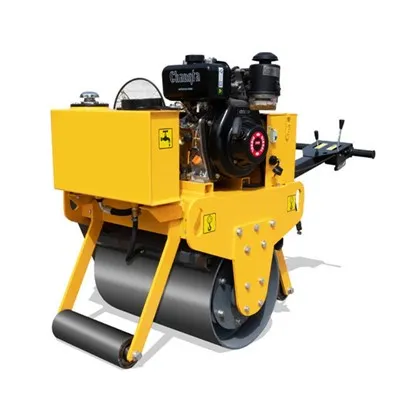
The working width of a walk - behind roller refers to the width of the area that the roller can compact in a single pass. It is typically measured in millimeters (mm) or inches (in). This dimension is determined by the width of the roller drum or drums, which are the main components responsible for applying pressure to the surface being compacted.
For example, if a walk - behind roller has a working width of 600 mm, it means that with each pass of the roller, it can compact a strip of the surface that is 600 mm wide. The larger the working width, the more area can be covered in a given time, leading to increased productivity.
Importance of Working Width
The working width plays a pivotal role in construction projects. Here are some key reasons why it is so important:
- Productivity: Machines with wider working widths can cover more ground per pass, thus reducing the number of passes required to complete the compaction of a given area. This leads to significant time savings, especially on larger projects. For instance, on a large parking lot project, a walk - behind roller with a wide working width can finish the compaction much faster compared to a roller with a narrow working width.
- Cost - effectiveness: Higher productivity means lower labor costs and reduced equipment usage time. Since the project can be completed more quickly, there is less need for extended rental or operation of the equipment, resulting in cost savings for the contractor.
- Uniformity of Compaction: A wider working width can contribute to more uniform compaction across the surface. When the roller covers a larger area in a single pass, there is less chance of inconsistent compaction due to overlapping or missed areas.
Variation in Working Width across Different Types of Walk - Behind Rollers
There are several types of walk - behind rollers available in the market, each with its own typical working width range. Let's take a look at some of the common types:
Mini Road Roller
Mini road rollers are compact and highly maneuverable, making them ideal for small - scale projects such as sidewalks, bike paths, and small driveways. These rollers usually have a relatively narrow working width, typically ranging from 300 mm to 500 mm. The narrow width allows them to access tight spaces and work in areas where larger equipment cannot reach. You can find more details about our Mini Road Roller on our website.
Gasoline Road Roller
Gasoline - powered walk - behind rollers offer a good balance between power and portability. They are commonly used for medium - sized projects like small construction sites and residential areas. The working width of gasoline road rollers can vary from 500 mm to 800 mm. The wider working width compared to mini road rollers enables them to cover more area in a single pass, increasing productivity on medium - scale projects. Check out our Gasoline Road Roller for more information.
Small Compactor
Small compactors are designed for light - duty compaction tasks, such as compacting soil in garden beds or small patches of driveway. They typically have a working width in the range of 350 mm to 600 mm. The relatively small working width makes them easy to handle and suitable for precise, small - area compaction jobs. Explore our Small Compactor models to see if they fit your needs.
Double Drum Roller
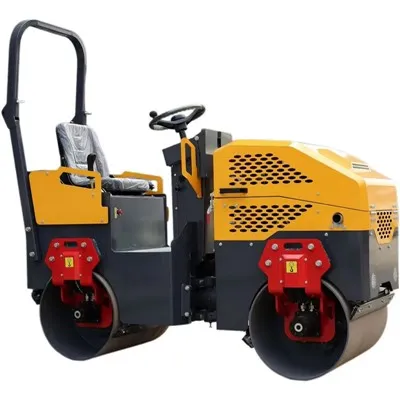
Double drum rollers are known for their excellent compaction performance, especially on asphalt surfaces. They have two drums, which can provide more consistent and efficient compaction. The working width of double drum rollers usually ranges from 700 mm to 1000 mm. The wider drum configuration allows for a larger compaction area per pass, making them popular for road construction and repair projects. To learn more about our Double Drum Roller, visit our website.
Single Drum Roller
Single drum rollers are versatile machines that can be used for both soil and asphalt compaction. Their working width can vary significantly, typically from 600 mm to 1200 mm. The wider - width single drum rollers are suitable for large - scale projects, such as highway construction, while the narrower ones can be used for smaller sites. Check out our Single Drum Roller range for different working width options.
Selecting the Right Working Width for Your Project
When choosing a walk - behind roller, it is crucial to consider the specific requirements of your project. Here are some factors to keep in mind:
- Project Size: For small projects, a roller with a narrow working width is usually sufficient and more cost - effective. On the other hand, large - scale projects demand rollers with wider working widths to complete the compaction quickly.
- Accessibility: If the project site has limited space or narrow passages, a roller with a narrower working width will be more suitable as it can maneuver easily.
- Compaction Requirements: Different projects have different compaction needs. For example, asphalt compaction often requires a more uniform and consistent pressure, and a roller with an appropriate working width and compaction force should be selected.
Conclusion
In conclusion, the working width of a walk - behind roller is a vital parameter that can influence the success of a construction project. By understanding the concept of working width, its importance, and the variation across different types of rollers, you can make an informed decision when selecting the right equipment for your project.
If you are in the market for a walk - behind roller and need further assistance in choosing the appropriate working width or have any other questions, feel free to reach out to us. We are here to help you select the best - suited equipment for your specific needs. We look forward to the opportunity to discuss your requirements and work with you on finding the ideal walk - behind roller solution for your projects.
References
- Construction Equipment Handbook: A comprehensive guide to various construction machinery, including walk - behind rollers.
- Industry reports on construction equipment trends and specifications.