
Hey there! As a supplier of vibratory rollers, I'm stoked to share some essential safety precautions when operating these powerful machines. Whether you're a seasoned operator or just starting out, safety should always be your top priority. So, let's dive right in and explore what you need to know to keep yourself and others safe on the job.
Pre - operation Checks
Before you even think about firing up that vibratory roller, there are some crucial pre - operation checks you gotta do. First off, take a good look at the machine. Check for any visible damage like cracks in the frame, loose parts, or leaks. A leaking hydraulic fluid or fuel can be a major hazard, so make sure everything's tight.

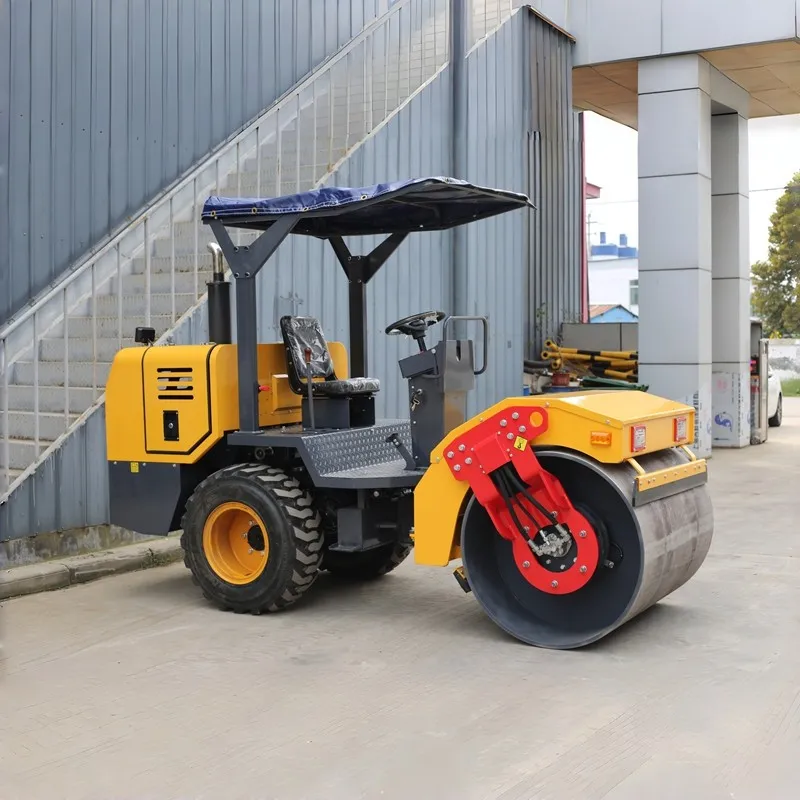
Inspect the tires or drums thoroughly. Any signs of excessive wear, cuts, or bulges can not only affect the performance of the roller but also pose a safety risk. Ensure the tire pressure is at the recommended level if it's a tire - mounted roller. For drum rollers, check the drum surface for smoothness and integrity.
Don't forget about the controls. Make sure all the levers, switches, and pedals are working properly. Test the brakes to ensure they're responsive and can stop the roller effectively. This is non - negotiable, as faulty brakes can lead to dangerous situations on the job site.
Personal Protective Equipment (PPE)
Wearing the right PPE is a must when operating a vibratory roller. Start with a hard hat. Construction sites are full of potential falling objects, and a hard hat can protect your head from serious injury.
Safety glasses or goggles are essential to shield your eyes from dust, debris, and flying particles. The vibrations of the roller can kick up a lot of stuff, and you don't want any of that getting into your eyes.
Ear protection is also crucial. Vibratory rollers are noisy machines, and prolonged exposure to high - level noise can cause hearing damage. Use earplugs or earmuffs to protect your ears.
Finally, wear steel - toed boots. They'll protect your feet from heavy objects that might fall on them and from any sharp objects on the ground.
Operating Environment
Take a good look at the operating environment before you start rolling. The ground conditions matter a lot. Soft or uneven ground can cause the roller to tip over, so make sure the area is stable and properly graded. If you're working on slopes, be extra careful. Always follow the manufacturer's guidelines for the maximum slope the roller can handle safely.
Be aware of your surroundings. Look out for other workers, pedestrians, and vehicles on the job site. Install a proper traffic control system if necessary to avoid collisions. And keep an eye out for underground utilities. Hitting a buried gas line or electrical cable can have catastrophic consequences.
During Operation
When you're actually operating the vibratory roller, there are several things to keep in mind. First, start the machine according to the manufacturer's instructions. Don't try any shortcuts or do things your own way.
Keep both hands on the controls at all times. This gives you better control over the roller and allows you to react quickly in case of an emergency. Avoid sudden or jerky movements, as they can make the roller unstable.
If you're using the vibration function, use it appropriately. Don't over - vibrate the ground, as this can lead to over - compaction and damage to the surface. Also, limit the vibration time to prevent excessive wear on the machine.
Never leave the roller unattended while it's running. Even for a short period, it can roll away or cause an accident if someone accidentally bumps into the controls.
Maintenance and Repairs
Regular maintenance is key to keeping your vibratory roller safe. Follow the manufacturer's maintenance schedule for oil changes, filter replacements, and other routine tasks. This helps to keep the machine in good working condition and reduces the risk of breakdowns and accidents.
When it comes to repairs, only use qualified technicians. Don't try to fix things yourself if you're not trained. Using the wrong parts or improper repair techniques can make the problem worse and put you at risk.
Training and Certification
Make sure all operators are properly trained and certified to operate the vibratory roller. Training should cover all aspects of the machine, including safety procedures, pre - operation checks, and emergency response. A well - trained operator is more likely to operate the machine safely and efficiently.
Our Product Range
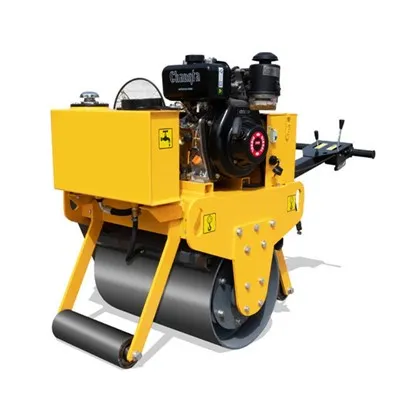
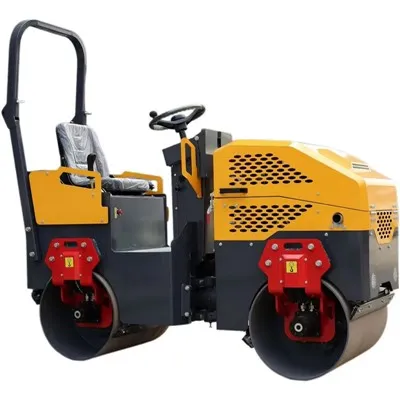
As a supplier, we offer a wide range of vibratory rollers to meet your needs. Check out our Vibratory Roller page to see the different models we have available. We also have Mini Ride - on Roller for smaller projects, Ride - on Soil Compactor for soil compaction jobs, Diesel Road Roller for durable performance, and Full Hydraulic Road Roller for advanced functionality.
Contact Us for Purchase and Consultation
If you're in the market for a vibratory roller or have any questions about safety precautions or our product range, don't hesitate to reach out. We're here to help you make the right choice and ensure you operate your roller safely.
References
- Construction Equipment Safety Manuals
- Occupational Safety and Health Administration (OSHA) Guidelines
- Manufacturer's Operation and Maintenance Guides