
Using a walk-behind roller in residential areas can be a challenging task, primarily due to the noise it generates. Excessive noise can disrupt the peace and quiet of the neighborhood, leading to complaints from residents and potential legal issues. As a walk-behind roller supplier, we understand the importance of addressing this concern. In this blog post, we will explore various noise-reduction measures that can be implemented when using a walk-behind roller in residential areas.
Understanding the Noise Sources of Walk - Behind Rollers
Before delving into the noise-reduction measures, it is crucial to understand the sources of noise in walk-behind rollers. The main noise-generating components include the engine, the vibration system, and the contact between the roller drum and the ground.
The engine is a significant source of noise. Internal combustion engines, whether gasoline or diesel, produce noise during the combustion process, as well as from the movement of engine parts such as pistons, valves, and the exhaust system. The vibration system, which is essential for the compaction function of the roller, also generates a considerable amount of noise. The rapid back - and - forth movement of the vibrating components creates vibrations that are transmitted through the roller structure and into the surrounding air. Additionally, the interaction between the roller drum and the ground surface can cause noise, especially when the ground is uneven or has a rough texture.
Noise - Reduction Measures
1. Equipment Selection
One of the most effective ways to reduce noise is to select a walk - behind roller with low noise emissions. Modern manufacturers are increasingly focusing on developing eco - friendly and quiet equipment. For instance, our Small Compactor and Mini Road Roller are designed with advanced technology to minimize noise. These models feature noise - absorbing materials in the engine compartment and vibration - dampening systems that reduce the overall noise output.
When choosing a roller, pay attention to the noise level specifications provided by the manufacturer. Look for rollers that comply with relevant national and international noise standards. For example, in some regions, construction equipment must meet strict noise limits during operation. By selecting a compliant roller, you can avoid potential legal problems related to excessive noise.
2. Maintenance and Lubrication
Proper maintenance of the walk - behind roller is essential for noise reduction. A well - maintained roller will operate more smoothly and quietly compared to a poorly maintained one. Regularly check and replace worn - out parts such as belts, bearings, and bushings. Worn parts can cause increased vibration and noise as they do not function properly.


Lubrication is also crucial. Ensure that all moving parts are properly lubricated according to the manufacturer's recommendations. Lubrication reduces friction between the parts, which in turn reduces noise and wear. For example, the bearings in the vibration system should be lubricated at regular intervals to prevent excessive noise from metal - to - metal contact.
3. Operational Techniques
The way the walk - behind roller is operated can significantly affect the noise level. Operators should be trained to use the roller in a way that minimizes noise. For example, when starting the roller, gradually increase the engine speed instead of giving it a sudden throttle. A sudden increase in speed can cause a sharp spike in noise.
When moving the roller, avoid sudden stops and starts. Smooth and continuous operation can help to keep the noise level relatively stable. Additionally, when working on uneven ground, try to adjust the speed and pressure of the roller to reduce the impact and noise caused by the uneven surface.
4. Use of Noise - Absorbing Materials
Adding noise - absorbing materials to the roller can help to reduce noise emissions. For example, install sound - deadening mats in the engine compartment. These mats are designed to absorb and dampen the sound waves generated by the engine, preventing them from spreading into the environment.
Extra noise - absorbing materials can also be added to the roller frame to reduce the noise transmitted through the structure. Some manufacturers offer optional noise - reducing kits that include these materials, which can be easily installed on existing rollers.
5. Isolation and Barriers
In cases where the noise level is still a concern, setting up noise barriers around the work area can be an effective solution. Noise barriers are typically made of materials such as concrete, wood, or special acoustic panels. They work by blocking and reflecting the sound waves, reducing the amount of noise that reaches the surrounding area.
Place the barriers around the perimeter of the work area, making sure they are tall enough and properly sealed to prevent sound leakage. The height and length of the barriers should be determined based on the noise level of the roller and the distance to the nearest residential buildings.
Special Considerations for Different Types of Walk - Behind Rollers
Single Drum Roller
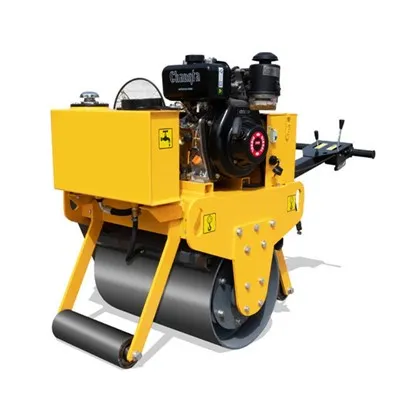
Our Single Drum Roller is widely used for various compaction tasks. When using a single - drum roller in residential areas, pay special attention to the contact between the drum and the ground. Since it has only one drum, the interaction can be more concentrated, potentially leading to louder noise. Ensure that the drum surface is smooth and free from damage. Any irregularities on the drum surface can cause uneven compaction and increased noise.
Double Drum Roller
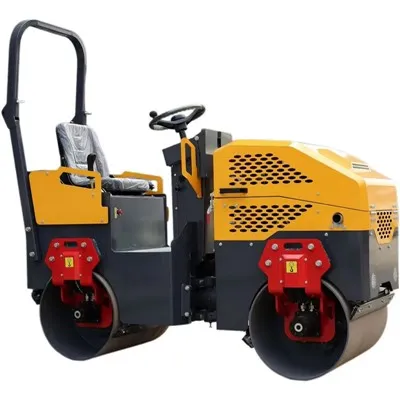
The Double Drum Roller has two drums, which generally provide better compaction results. However, it also has more contact points with the ground, which can increase the noise level. Consider using a double - drum roller with a vibration isolation system for each drum. This system can reduce the vibration and noise transmitted from the drums to the rest of the roller structure and the environment.
Gasoline Road Roller
The Gasoline Road Roller is powered by a gasoline engine. Gasoline engines can be noisier than electric engines. To reduce the noise from the engine, use high - quality gasoline and ensure that the engine is properly tuned. A well - tuned engine will operate more efficiently and quietly. Additionally, install a high - performance exhaust muffler to reduce the exhaust noise.
Conclusion
Reducing the noise generated by walk - behind rollers in residential areas is a multi - faceted challenge that requires a combination of equipment selection, maintenance, operational techniques, and the use of noise - reduction materials and barriers. As a walk - behind roller supplier, we are committed to providing our customers with high - quality, low - noise equipment and the necessary support to ensure compliance with noise regulations and minimize the impact on the surrounding environment.
If you are in the market for a walk - behind roller and are concerned about noise issues, we are here to help. Our team of experts can provide you with detailed information about our products and offer customized solutions based on your specific needs. Contact us today to start a procurement discussion and find the perfect walk - behind roller for your project.
References
- Construction Equipment Noise Control Handbook. [Publisher's Name], [Year of Publication].
- Standards and Regulations for Construction Equipment Noise Emissions in [Region's Name]. [Regulatory Body], [Year of Issue].