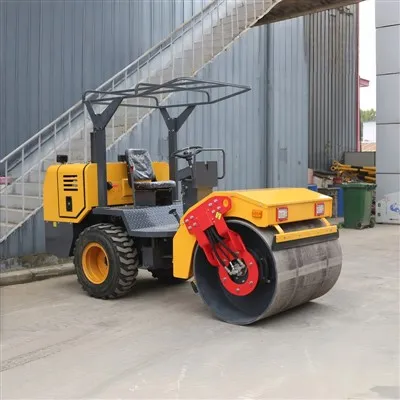

As a provider of vibratory rollers, I've had the privilege of witnessing firsthand the transformative impact these machines have on construction projects. One of the most crucial components of a vibratory roller is the vibration isolation system. In this blog, I'll delve into the functions of the vibration isolation system in a vibratory roller, exploring its importance and benefits.
Understanding the Basics of a Vibratory Roller
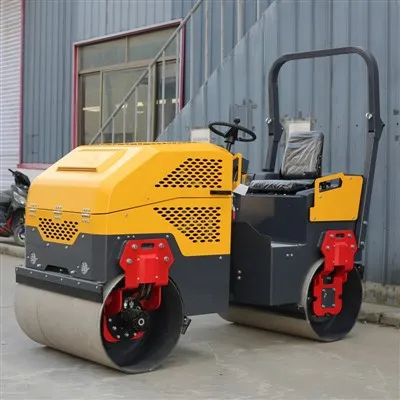
Before we dive into the vibration isolation system, let's briefly review how a vibratory roller works. A vibratory roller is a heavy - duty construction machine used for compacting soil, asphalt, and other materials. It operates by applying a combination of static and dynamic forces to the surface being compacted. The static force comes from the weight of the roller, while the dynamic force is generated by the vibration mechanism.
The vibration mechanism typically consists of an eccentric weight that rotates at high speed, creating a vertical oscillating force. This force is transmitted to the drum of the roller, which then transfers it to the ground. The vibration helps to reduce the voids between particles in the material, increasing its density and improving its load - bearing capacity.
The Function of the Vibration Isolation System
1. Protecting the Operator
One of the primary functions of the vibration isolation system is to protect the operator from excessive vibrations. Operating a vibratory roller can expose the operator to high - frequency vibrations, which can cause a range of health problems over time. These include hand - arm vibration syndrome (HAVS), whole - body vibration (WBV) - related disorders such as lower back pain, and reduced comfort and fatigue.
The vibration isolation system is designed to absorb and dampen the vibrations generated by the roller's drum. It typically consists of rubber mounts or springs that are placed between the roller's frame and the operator's cabin. These mounts act as a buffer, reducing the amount of vibration that is transmitted to the cabin and the operator. By minimizing the exposure to vibrations, the isolation system helps to improve the operator's comfort and safety, allowing them to work for longer periods without experiencing significant fatigue or health issues.
2. Preserving the Machine's Components
In addition to protecting the operator, the vibration isolation system also helps to preserve the components of the vibratory roller. The high - frequency vibrations generated by the drum can cause excessive wear and tear on the machine's parts, such as the engine, transmission, and hydraulic systems. Over time, this can lead to premature failure of these components, resulting in costly repairs and downtime.


The vibration isolation system reduces the transfer of vibrations to the rest of the machine. By isolating the vibrating drum from the frame and other components, it helps to minimize the stress and strain on these parts. This extends the lifespan of the machine's components, reducing maintenance costs and increasing the overall reliability of the roller.
3. Improving Compaction Efficiency
Another important function of the vibration isolation system is to improve the compaction efficiency of the vibratory roller. When the roller is operating, the vibrations are transmitted to the ground to compact the material. However, if the vibrations are not properly controlled, they can cause the roller to bounce or lose contact with the ground, reducing the effectiveness of the compaction process.
The vibration isolation system helps to maintain a consistent contact between the drum and the ground. By dampening the vibrations and preventing excessive bouncing, it ensures that the roller applies a uniform force to the surface being compacted. This results in more efficient compaction, as the material is more effectively compressed and the density is increased.
Different Types of Vibration Isolation Systems
There are several types of vibration isolation systems used in vibratory rollers, each with its own advantages and disadvantages.
Rubber Mounts
Rubber mounts are one of the most common types of vibration isolation systems. They are made of high - quality rubber compounds that are designed to absorb and dampen vibrations. Rubber mounts are relatively inexpensive, easy to install, and provide good isolation performance. They can be used in a variety of applications, from small - scale rollers to large - scale industrial machines.
However, rubber mounts have some limitations. Over time, the rubber can degrade due to exposure to heat, chemicals, and environmental factors. This can reduce their effectiveness and require replacement. Additionally, rubber mounts may not provide sufficient isolation for very high - frequency vibrations.
Spring Isolators
Spring isolators are another type of vibration isolation system. They use metal springs to absorb and dampen vibrations. Spring isolators are more durable than rubber mounts and can provide better isolation for high - frequency vibrations. They are often used in heavy - duty applications where high levels of vibration need to be controlled.
However, spring isolators are more expensive than rubber mounts and require more complex installation. They also have a limited range of motion, which can be a disadvantage in some applications.
Hydraulic Isolators
Hydraulic isolators use hydraulic fluid to absorb and dampen vibrations. They are highly effective at isolating vibrations, especially at low frequencies. Hydraulic isolators can be adjusted to provide different levels of isolation, making them suitable for a wide range of applications.
However, hydraulic isolators are the most expensive type of vibration isolation system and require regular maintenance to ensure proper operation.
Our Product Range
As a leading provider of vibratory rollers, we offer a wide range of products to meet the diverse needs of our customers. Our product line includes Ride - on Soil Compactor, Full Hydraulic Road Roller, Diesel Road Roller, Vibratory Roller, and Mini Ride - on Roller.
Each of our rollers is equipped with a high - quality vibration isolation system to ensure the comfort of the operator, the longevity of the machine, and the efficiency of the compaction process. We use the latest technology and materials to design and manufacture our vibration isolation systems, providing reliable and effective solutions for our customers.
Conclusion
The vibration isolation system is a critical component of a vibratory roller. It plays a vital role in protecting the operator, preserving the machine's components, and improving the compaction efficiency. By understanding the functions and types of vibration isolation systems, you can make an informed decision when choosing a vibratory roller for your construction project.
If you're interested in learning more about our vibratory rollers or have any questions about the vibration isolation system, we encourage you to contact us. Our team of experts is ready to assist you with your procurement needs and provide you with detailed information about our products. We look forward to the opportunity to work with you and help you achieve your construction goals.
References
- "Vibration Isolation Handbook", by Malcolm J. Crocker.
- "Construction Equipment: Principles, Maintenance, and Safety", by Robert W. Halpin.
- "Soil Mechanics and Foundations", by Braja M. Das.