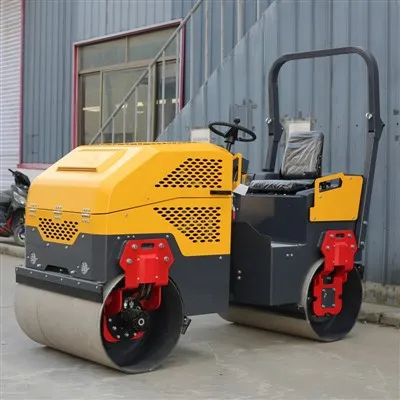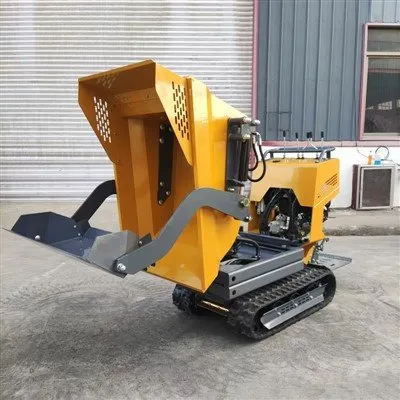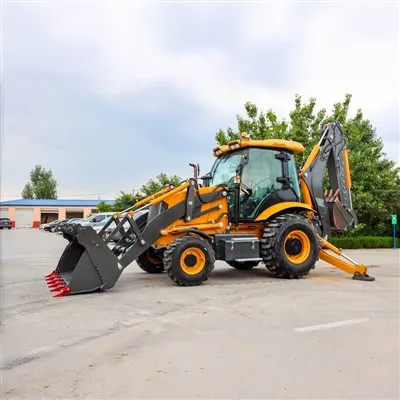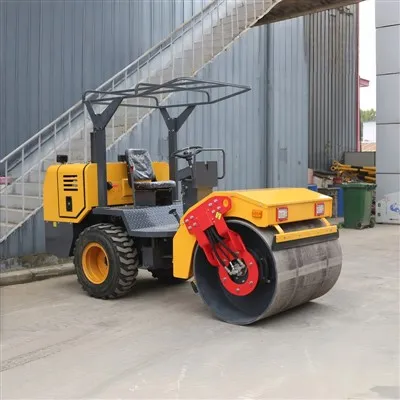

Hey there! As a mini dumper supplier, I've seen firsthand how important it is to store these nifty machines properly. Mini dumpers are super handy for all sorts of jobs, from construction to landscaping. But if you don't store them right, you could run into some serious problems down the road. So, let's dive into how to store a mini dumper like a pro.
Why Proper Storage Matters
Before we get into the nitty - gritty of storage methods, let's talk about why it's so crucial. Mini dumpers are an investment, and proper storage can extend their lifespan. When you store your mini dumper in the right conditions, you prevent rust, corrosion, and damage to sensitive components. It also means that when you need to use it again, it'll be in good working order, saving you time and money on repairs.
Pre - storage Preparation
First things first, you've got to prep your mini dumper before you put it away.
Clean It Thoroughly
Dirt, debris, and other grime can cause all sorts of issues. They can scratch the paint, which leads to rust, and they can also get into moving parts and cause wear and tear. So, give your mini dumper a good wash. Use a pressure washer if you have one, but be careful not to damage any sensitive parts. Make sure you clean inside the dump bed, around the wheels, and all the nooks and crannies.
Check for Damage
While you're cleaning, take a close look at your mini dumper for any signs of damage. Look for cracks in the frame, leaks in the hydraulic system, or any loose parts. Fix any issues you find before you store it. This way, you won't come back to a bigger problem later.
Lubricate Moving Parts
Lubrication is key to keeping your mini dumper running smoothly. Apply lubricant to all the moving parts, like the hinges on the dump bed, the wheels, and the hydraulic cylinders. This will prevent them from seizing up during storage.
Drain Fluids
Depending on how long you're going to store your mini dumper, you might want to drain some of the fluids. For example, if you're storing it for an extended period, drain the fuel tank to prevent the fuel from going bad and causing problems in the engine. You should also consider draining the coolant and changing the oil.
Indoor Storage
Indoor storage is the best option if you can manage it. It protects your mini dumper from the elements, which is a huge plus.
Find a Suitable Space
Look for a dry, clean, and well - ventilated area. A garage or a storage shed works great. Make sure the space is big enough to accommodate the mini dumper with some extra room around it. You don't want it to be cramped, as this can make it difficult to access and can also cause damage if it bumps into something.
Use a Cover
Even if you're storing it indoors, it's a good idea to use a cover. A cover will protect the mini dumper from dust and any accidental spills or drips. Make sure the cover fits properly and is made of a durable material.
Outdoor Storage
If indoor storage isn't an option, outdoor storage is still doable, but you've got to take some extra precautions.
Choose a Good Location
Pick a spot that's elevated and well - drained. You don't want your mini dumper sitting in water, as this can cause rust and other problems. Also, try to find a spot that's protected from strong winds and direct sunlight as much as possible.
Use a Heavy - Duty Cover
An outdoor cover is a must. Look for a cover that's waterproof, UV - resistant, and durable. It should fit snugly around the mini dumper and have straps to keep it in place.
Block the Wheels
To prevent flat spots from forming on the tires, block the wheels. You can use wooden blocks or specialized tire blocks. This will distribute the weight evenly and keep the tires in good shape.
Storage of Different Types of Mini Dumpers
There are various types of mini dumpers, and each might have specific storage requirements.
-
Hydraulic Tipper Truck: These dumpers rely on a hydraulic system. When storing, make sure the hydraulic fluid is at the right level and there are no leaks. Keep the dump bed in a lowered position to relieve stress on the hydraulic cylinders.
-
Small Dump Truck: Similar to larger trucks, small dump trucks need proper tire care during storage. Check the tire pressure regularly and make sure the brakes are in good condition.
-
Mini Tracked Dumper Truck: Tracked dumpers have tracks instead of wheels. Inspect the tracks for any signs of wear or damage before storage. Clean the tracks thoroughly to prevent dirt from hardening and causing problems.
-
Small Rear - dumping Dump Truck: Pay special attention to the rear - dumping mechanism. Lubricate the hinges and make sure it's in a stable position during storage.
-
Compact Dump Truck: Compact dump trucks often have a more streamlined design. Store them in a way that protects the bodywork and any exposed components.
Regular Checks During Storage
Even when your mini dumper is in storage, it's important to check on it regularly. Every few weeks, take a look at it to make sure everything is okay. Check for signs of rust, leaks, or any other issues. If you notice anything, address it right away.
Conclusion
Storing a mini dumper properly is essential for its longevity and performance. Whether you're using indoor or outdoor storage, following the steps we've discussed will help keep your mini dumper in top shape.
If you're in the market for a new mini dumper or have any questions about storage or our products, don't hesitate to reach out. We're here to help you make the best choice for your needs.


References
- "Equipment Maintenance Handbook": A comprehensive guide on maintaining and storing various construction equipment.
- Industry best - practices from leading mini dumper manufacturers.