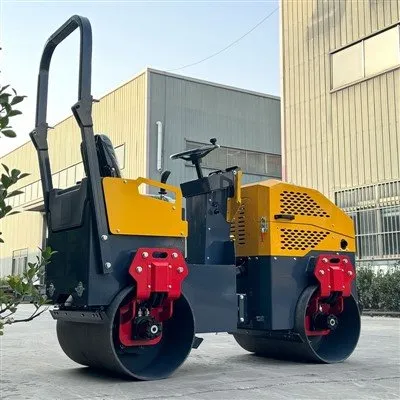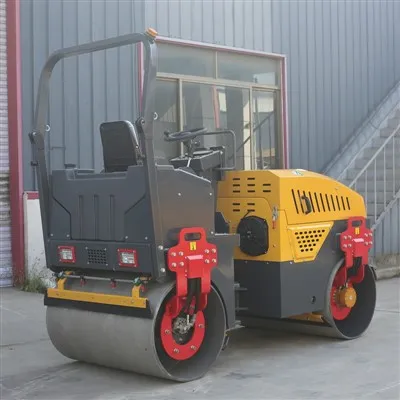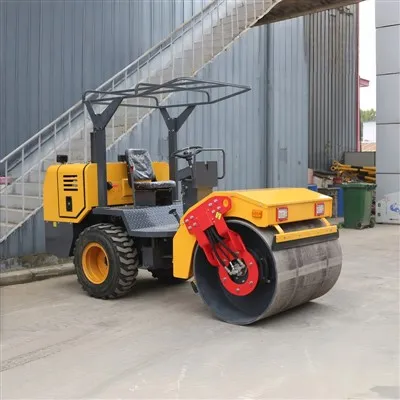

Hey there, fellow construction enthusiasts! As a supplier of Mini Ride-on Rollers, I get asked a ton of questions about these nifty machines. One query that pops up time and again is, "Can a Mini Ride-on Roller be used on a dirt track?" Today, I'm gonna dig deep into this topic and give you the lowdown.

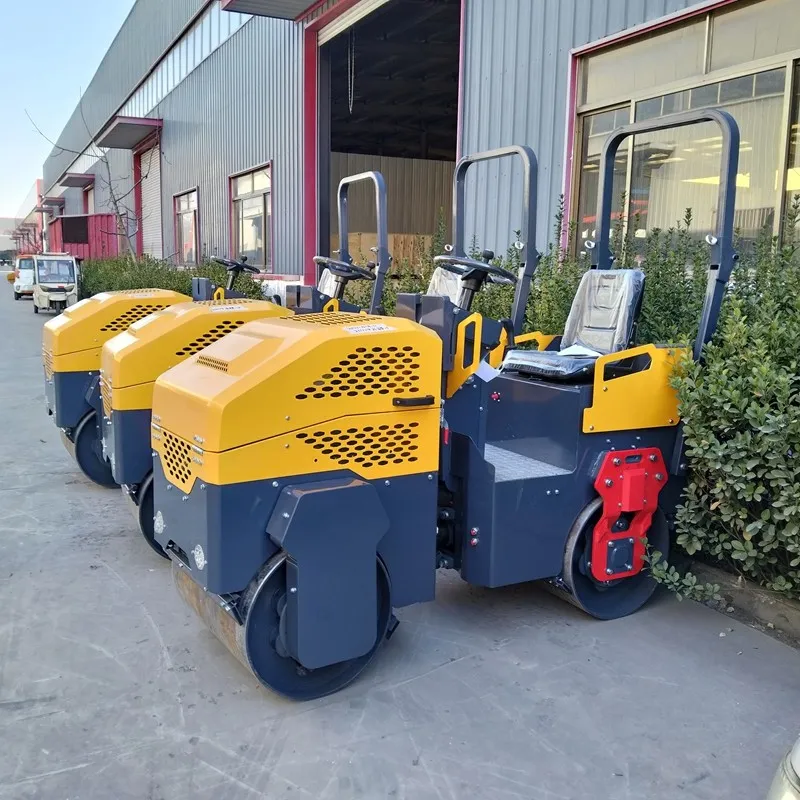
Let's start by getting to know the Mini Ride-on Roller a bit better. These little powerhouses are compact, easy to maneuver, and pack a punch when it comes to soil compaction. If you're interested in learning more about them, you can check out this Mini Ride-on Roller link.
The Mini Ride-on Roller comes in various types and models, each designed to suit different needs. There are Ride-on Soil Compactors that are specifically built for compacting soil. These are great for projects where you need to create a solid base, like building a small shed or preparing the ground for a patio.
Then there are Full Hydraulic Road Rollers. These offer precise control and are often used in more professional road construction projects. Their hydraulic systems allow for smooth operation and better compaction results.
And let's not forget about Vibratory Rollers. These use vibration to enhance the compaction process. The vibrations help to settle the soil particles more tightly, resulting in a more stable surface.
Now, back to the main question: Can a Mini Ride-on Roller be used on a dirt track? The short answer is yes, but there are a few things you need to consider.
First off, the type of soil on the dirt track matters a whole lot. Different soils have different characteristics, and not all of them respond the same way to compaction. For example, sandy soils are relatively easy to compact. They have large particles with plenty of air spaces between them. A Mini Ride-on Roller can effectively squeeze out the air, making the soil more dense.
On the other hand, clay soils are a bit more challenging. Clay particles are very small and tend to stick together. They can also hold a lot of water, which can make compaction difficult. If you're dealing with clay soil on a dirt track, you might need to take some extra steps. You could try adding some sand or gravel to improve the soil's drainage and workability. And you may need to make multiple passes with the roller to achieve the desired compaction.
Another factor to consider is the size and weight of the Mini Ride-on Roller. These machines are smaller and lighter compared to their larger counterparts. While this makes them great for tight spaces and small projects, it also means they have less compaction force. If the dirt track is very large or the soil is particularly hard, you might find that the Mini Ride-on Roller struggles to get the job done efficiently.
In such cases, you might want to consider using a Diesel Road Roller. These are more powerful and can handle larger areas and tougher soils. However, if the dirt track is relatively small and the soil is not too challenging, a Mini Ride-on Roller should be more than sufficient.
The condition of the dirt track itself is also important. If the track has a lot of bumps, holes, or uneven areas, it can affect the performance of the roller. Before using the Mini Ride-on Roller, it's a good idea to level the track as much as possible. You can use a grader or a rake to smooth out the surface. This will ensure that the roller can make even contact with the soil and achieve consistent compaction.
When using a Mini Ride-on Roller on a dirt track, it's crucial to follow the manufacturer's instructions. Each roller has its own set of operating guidelines, including recommended speed, direction of travel, and number of passes. Following these instructions will not only help you get the best compaction results but also ensure the safety of the operator.
It's also a good idea to conduct some tests before starting the full compaction process. You can take soil samples from different areas of the dirt track and perform simple tests, like the Proctor test, to determine the optimal moisture content and compaction level. This will give you a better idea of how the soil will respond to the roller and help you adjust your approach accordingly.
Now, let me tell you about the benefits of using a Mini Ride-on Roller on a dirt track. One of the biggest advantages is its portability. These rollers are easy to transport from one job site to another. You can load them onto a trailer and take them wherever you need them. This makes them a great choice for contractors who work on multiple projects in different locations.
Another benefit is their versatility. Mini Ride-on Rollers can be used for a variety of tasks, not just on dirt tracks. You can use them for compacting gravel driveways, sidewalks, and even small parking lots. This means that you're getting a lot of bang for your buck with these machines.
In addition, Mini Ride-on Rollers are relatively easy to operate. They have simple controls and are designed for operators of all skill levels. This means that you don't need to be a seasoned professional to use one effectively.
If you're in the market for a Mini Ride-on Roller or any other type of road roller, I'd love to have a chat with you. Whether you're working on a small DIY project or a large commercial construction job, I can help you find the right machine for your needs. Just reach out, and we can discuss your requirements and options.
In conclusion, a Mini Ride-on Roller can definitely be used on a dirt track. However, you need to take into account the type of soil, the size of the track, and the condition of the surface. By following the proper procedures and using the right equipment, you can achieve excellent compaction results and create a stable, durable dirt track.
References
- Construction Equipment Handbook
- Soil Mechanics and Foundation Engineering textbooks