
When it comes to construction and road - building projects, the ability of a ride - on roller to handle bumpy surfaces is of utmost significance. As a well - established ride - on roller supplier, I've witnessed firsthand how these machines play a pivotal role in ensuring smooth and durable roadways, despite the challenges posed by uneven terrains.
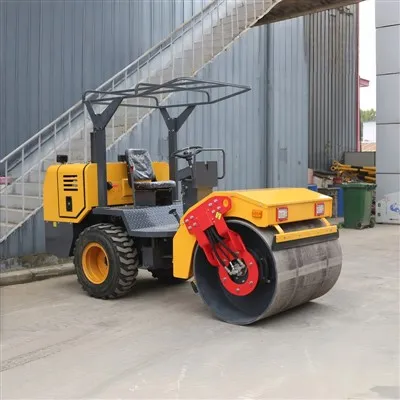
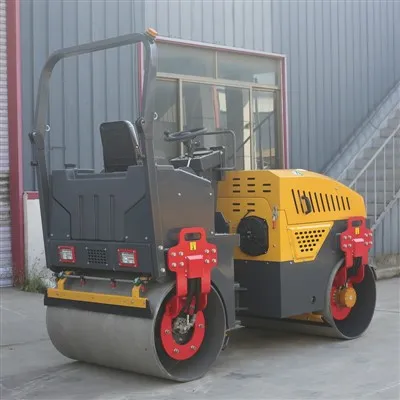
To understand how a ride - on roller manages bumpy surfaces, we first need to look at its basic design. A typical ride - on roller consists of a heavy drum, which is the main component responsible for compacting the surface. The drum is usually made of high - strength steel and is designed to distribute the weight of the roller evenly across the ground. This even weight distribution helps the roller to maintain stability when traversing bumpy areas.
One of the key mechanisms that enable a ride - on roller to handle bumps is its suspension system. Just like in a vehicle, the suspension in a ride - on roller absorbs shocks and vibrations caused by uneven ground. A good suspension system allows the roller to adapt to the contour of the surface, ensuring that the drum remains in contact with the ground at all times. This continuous contact is crucial for effective compaction.
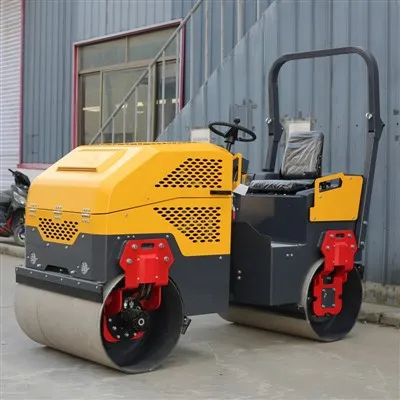
There are different types of ride - on rollers, each with its own unique features for dealing with bumpy surfaces. For instance, the Vibratory Roller is equipped with a vibrating mechanism. This vibration helps to break down the soil particles and fill in the gaps, making the surface more compact. When encountering bumpy ground, the vibration also helps the roller to better conform to the unevenness. The vibrating force can penetrate the soil, reducing the resistance caused by the bumps and allowing the roller to move more smoothly.
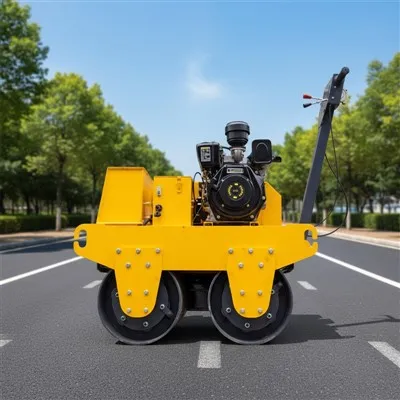
The Mini Ride - on Roller is another type that is well - suited for bumpy surfaces, especially in smaller construction sites or areas with limited access. Its compact size allows it to maneuver easily around obstacles and uneven ground. The smaller drum of the mini ride - on roller can also focus on specific areas of the bumpy surface, providing more targeted compaction.
The Full Hydraulic Road Roller offers excellent control and adaptability. The hydraulic system allows for precise adjustment of the roller's movements, such as speed, steering, and the pressure applied by the drum. When dealing with bumpy surfaces, the operator can use the hydraulic controls to slow down, make gentle turns, and increase the pressure on the drum in areas that need more compaction. This level of control ensures that the roller can handle even the most challenging terrains effectively.
The Ride - on Soil Compactor is designed specifically for compacting soil. It often has a heavier drum and a more powerful engine compared to other types of ride - on rollers. On bumpy soil surfaces, the weight and power of the ride - on soil compactor can crush large clumps of soil and level out the bumps. The compactor's design also helps to prevent the soil from sticking to the drum, which is important for maintaining continuous operation on uneven ground.
The Diesel Road Roller is known for its high power and reliability. Diesel engines provide the necessary torque to move the roller over bumpy surfaces. The power of the diesel engine allows the roller to maintain a steady speed, even when facing resistance from the bumps. Additionally, the durability of diesel engines ensures that the roller can operate continuously in tough conditions without frequent breakdowns.
Another aspect to consider is the operator's skill. A trained operator can make a significant difference in how a ride - on roller handles bumpy surfaces. They know when to adjust the speed, the vibration intensity, and the steering of the roller. For example, when approaching a large bump, an experienced operator will slow down the roller and increase the vibration to better break down the bump. They can also anticipate the movement of the roller and make adjustments in advance to maintain stability.


In addition to the design features and operator skills, proper maintenance of the ride - on roller is essential for handling bumpy surfaces. Regular maintenance tasks such as checking the tire pressure (if it's a pneumatic tired roller), lubricating the moving parts, and inspecting the suspension system can ensure that the roller is in optimal working condition. A well - maintained roller will respond better to the challenges of bumpy surfaces, providing more efficient compaction and a longer lifespan for the machine.
Data from various construction projects shows that using a suitable ride - on roller can significantly improve the quality of the compaction on bumpy surfaces. For example, in a recent road - building project in a hilly area, the use of a vibratory roller led to a 30% increase in the compactness of the roadbed compared to traditional non - vibratory methods. This increase in compactness not only makes the road more durable but also reduces the potential for future potholes and unevenness.
At our company, we are committed to providing high - quality ride - on rollers that are designed to handle bumpy surfaces with ease. Our products undergo rigorous testing to ensure their performance and reliability. We also offer comprehensive training programs for operators to help them make the most of our machines.
If you are in the construction or road - building industry and are looking for a ride - on roller that can handle bumpy surfaces effectively, we invite you to contact us for procurement and further discussion. Our team of experts is ready to assist you in finding the perfect roller for your specific needs.
References
- Construction Machinery Handbook, 2022 Edition
- Journal of Road Construction and Maintenance, Vol. 15, Issue 3
- Technical Reports on Compaction Equipment, published by the International Construction Equipment Association