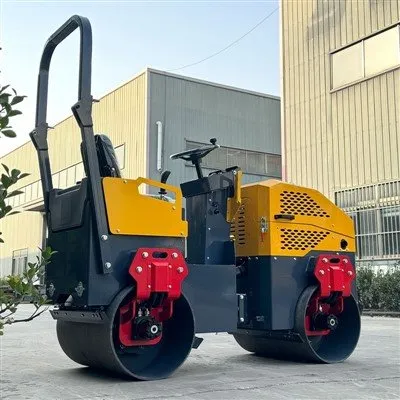

As a reputable supplier of vibratory rollers, I understand the critical importance of optimizing the vibration frequency and amplitude combination for these machines. This optimization is not just about improving performance; it's about ensuring maximum efficiency, productivity, and quality in road construction and compaction projects. In this blog, I will share some insights on how to achieve the best vibration frequency and amplitude combination for a vibratory roller.
Understanding Vibration Frequency and Amplitude
Before delving into the optimization process, it's essential to understand what vibration frequency and amplitude are. Vibration frequency refers to the number of vibrations per unit of time, typically measured in Hertz (Hz). It determines how quickly the roller's drum oscillates. A higher frequency generally means more rapid oscillations, which can be beneficial for achieving a smoother surface finish and compacting fine-grained materials.
On the other hand, amplitude refers to the maximum displacement of the vibrating drum from its neutral position. It is usually measured in millimeters (mm). A greater amplitude generates more intense vibrations, which are effective for compacting coarse-grained materials and achieving deeper compaction.
Factors Influencing the Choice of Frequency and Amplitude
Several factors need to be considered when choosing the appropriate vibration frequency and amplitude for a vibratory roller.
Type of Material
Different materials require different compaction characteristics. For instance, fine-grained materials like sand and silt are better compacted at a higher frequency with a lower amplitude. The rapid oscillations help to move the particles closer together. In contrast, coarse-grained materials such as gravel and crushed stone need a lower frequency but higher amplitude to break through the larger particles and achieve proper compaction.
Compaction Depth
The desired compaction depth also plays a crucial role. If you need to achieve deep compaction, a lower frequency with higher amplitude is preferred. The greater force generated by the larger amplitude can penetrate deeper into the material. For shallow compaction or surface finishing, a higher frequency is more suitable.
Soil Moisture Content
The moisture content of the soil affects its compaction behavior. Dry soils may require a different frequency and amplitude combination compared to moist soils. In general, moist soils are more easily compacted, but the optimal settings still depend on the soil type.
Methods to Optimize the Combination
Here are some practical methods to optimize the vibration frequency and amplitude combination for a vibratory roller.
Conduct Soil Tests
Before starting a compaction project, it's essential to conduct soil tests. These tests will provide valuable information about the soil type, moisture content, and particle size distribution. Based on the test results, you can determine the most suitable frequency and amplitude settings. For example, if the soil test indicates that the soil is predominantly fine-grained, you might start with a higher frequency (e.g., 50 - 60 Hz) and a lower amplitude (e.g., 0.4 - 0.6 mm).
Perform Field Tests
Even with soil test results, field tests are still necessary to fine-tune the settings. Start with the settings recommended by the soil test and make small adjustments during the field test. Observe the compaction results, such as the density of the compacted material and the surface smoothness. For instance, if you notice that the compaction is not deep enough, you may need to increase the amplitude or decrease the frequency.
Use Modern Technology
Many modern vibratory rollers are equipped with advanced control systems that allow for easy adjustment of the vibration frequency and amplitude. Some rollers even have sensors that can automatically adjust the settings based on the compaction conditions. These technologies can significantly simplify the optimization process and improve the accuracy of the settings.
Benefits of Optimized Vibration Frequency and Amplitude
Optimizing the vibration frequency and amplitude combination for a vibratory roller offers several benefits.
Improved Compaction Quality
By choosing the right combination, you can achieve higher compaction density, which is essential for the long-term durability of the road or structure. Proper compaction reduces the risk of settlement and cracking, ensuring a smoother and safer surface.
Increased Productivity
An optimized roller can compact the material more quickly and efficiently. This means less time spent on the compaction process, which translates to higher productivity and lower costs.
Extended Equipment Life
When the roller operates at the optimal frequency and amplitude, it experiences less stress and wear. This can extend the lifespan of the equipment, reducing maintenance costs and downtime.
Our Product Range
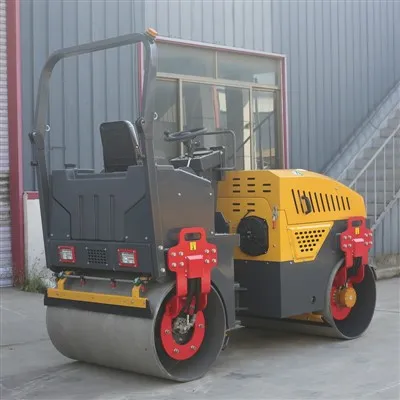
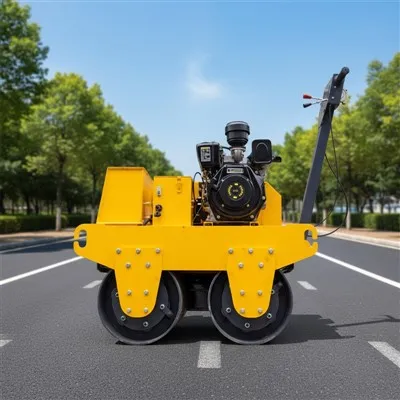
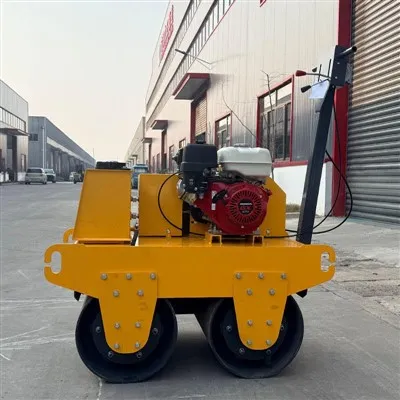
As a vibratory roller supplier, we offer a wide range of high-quality products to meet the diverse needs of our customers. Our product line includes Diesel Road Roller, Ride-on Soil Compactor, Mini Ride-on Roller, Full Hydraulic Road Roller, and Vibratory Roller. Each product is designed with advanced features to ensure optimal performance and easy operation.
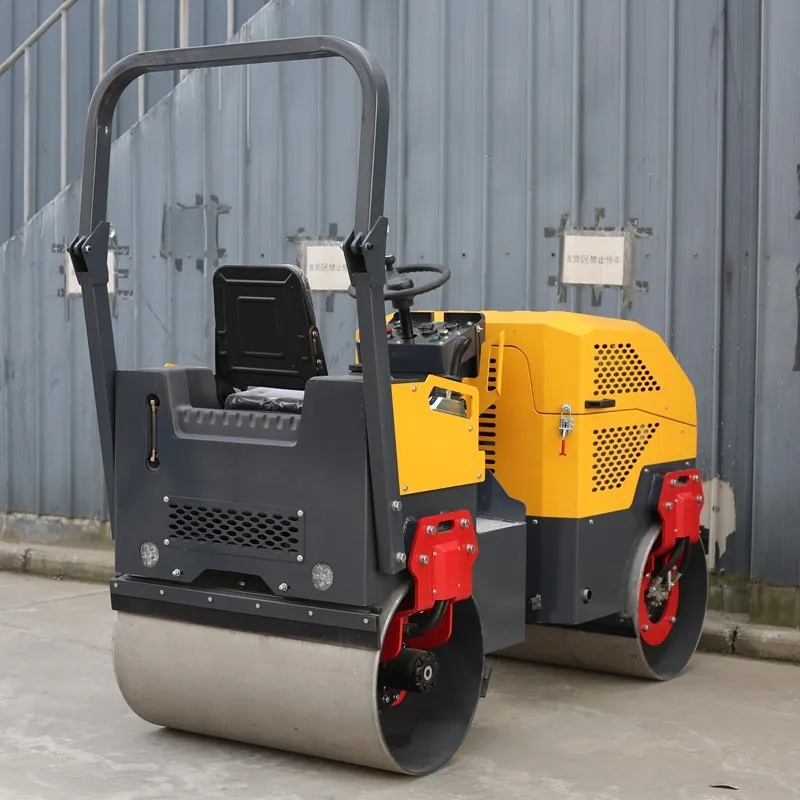
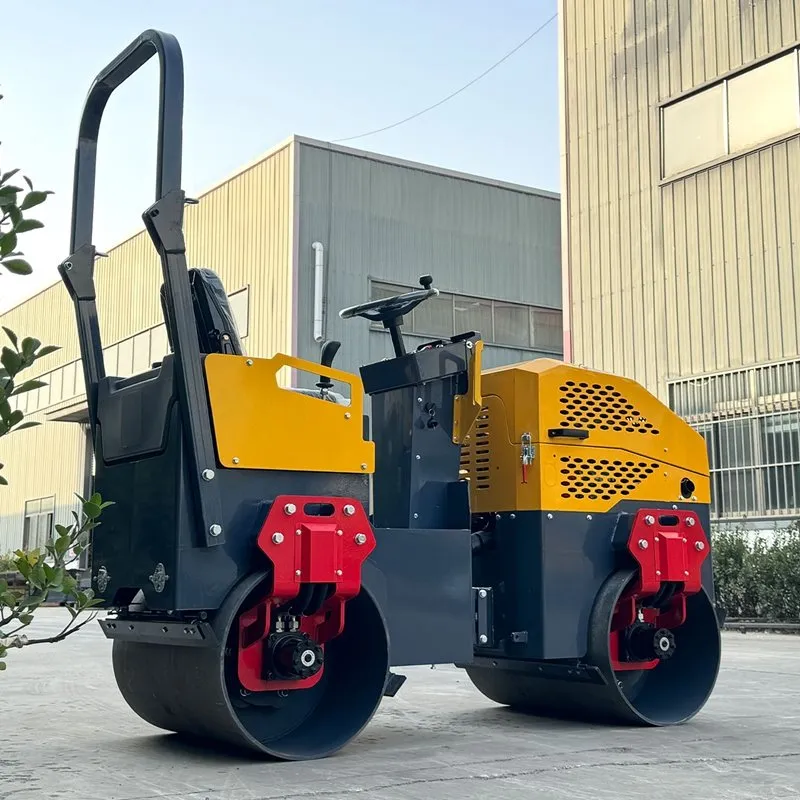
If you are looking for a reliable vibratory roller or need advice on optimizing the vibration frequency and amplitude for your project, we are here to help. Our team of experts can provide you with professional guidance and support. Contact us today to discuss your requirements and get started on your next project.
References
- Asphalt Institute. (2019). Compaction of Asphalt Mixtures.
- Federal Highway Administration. (2020). Soil Compaction Handbook.
- Komatsu. (2021). Technical Guidelines for Vibratory Rollers.