
Is it easy to transport a ride-on soil compactor? Well, that's a question I get asked a lot as a supplier of Ride-on Soil Compactor. Let's dive into the ins and outs of transporting these hefty machines to see just how straightforward or tricky it can be.
First off, let me give you a bit of background. Ride-on soil compactors are essential pieces of equipment in construction and road - building projects. They come in different sizes, weights, and configurations, and all these factors play a role in determining how easy they are to move around.
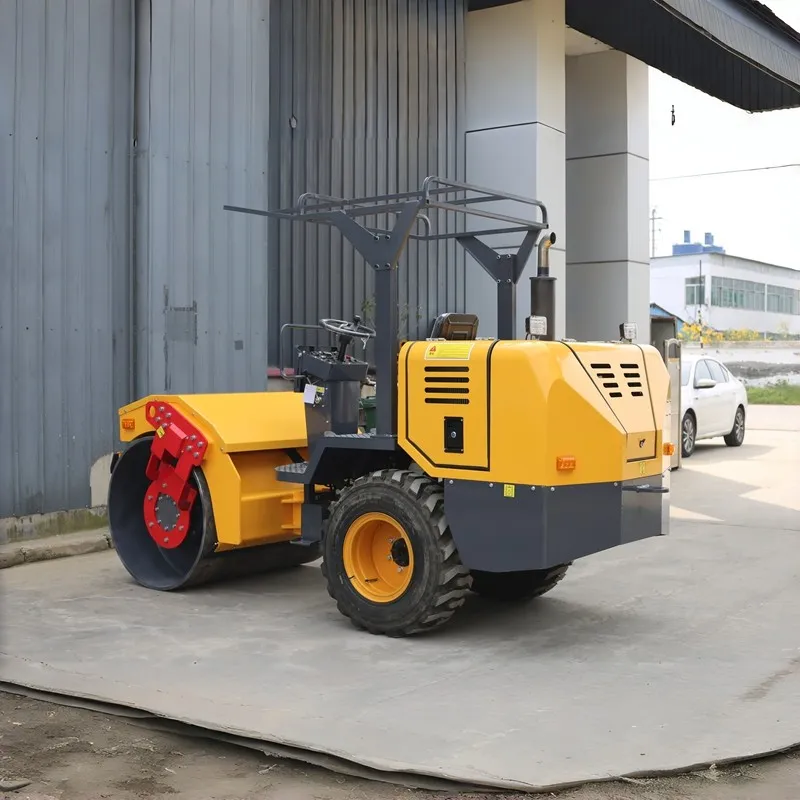
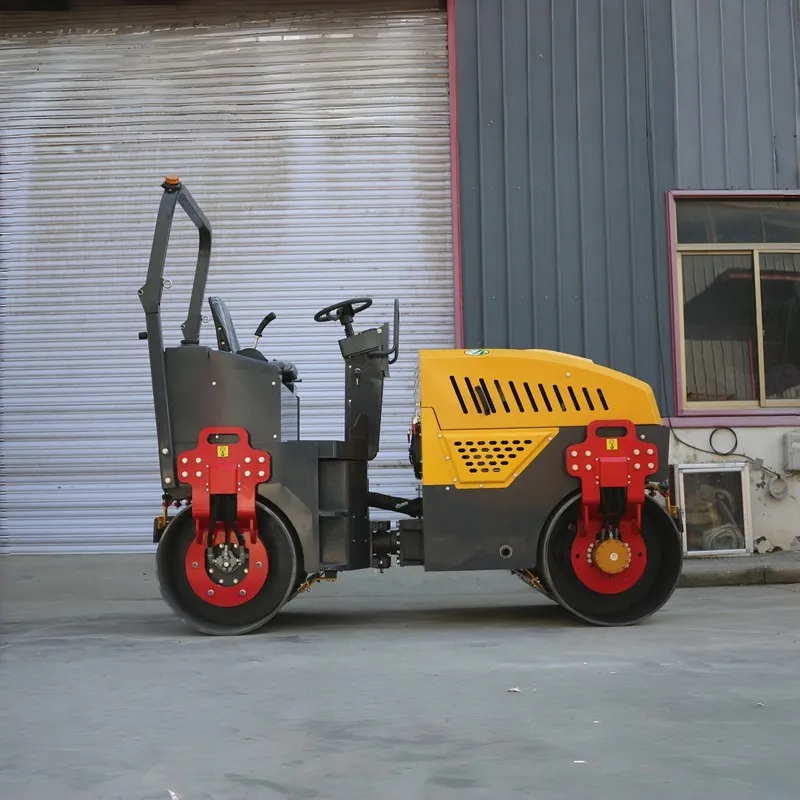
Size and Weight Matters
One of the biggest considerations when transporting a ride - on soil compactor is its size and weight. These machines can range from relatively small and lightweight Mini Ride-on Roller models to massive, heavy - duty ones.
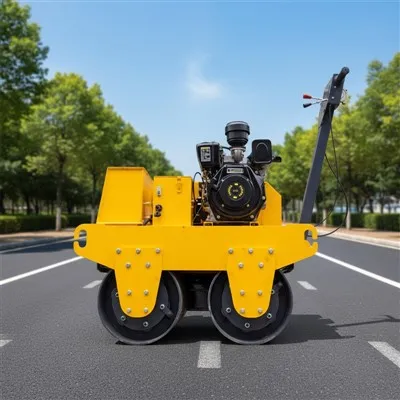
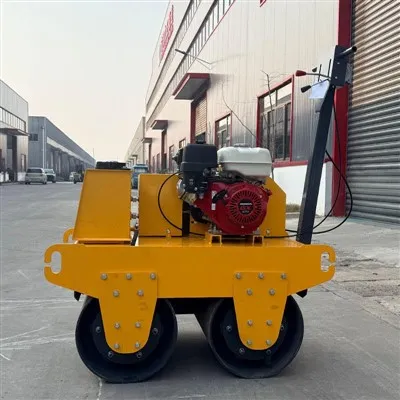
Smaller compactors are generally a lot easier to transport. They can often fit on a standard flatbed truck or trailer without too much hassle. You don't need any special permits for most of these smaller units, and they're easier to load and unload. For example, a mini ride - on roller might weigh only a few hundred kilograms, and you can use a simple ramp to get it on and off the trailer.
On the other hand, the larger and heavier ride - on soil compactors are a different story. Some of the heavy - duty models can weigh several tons. These require specialized transport equipment, like low - bed trailers, which are designed to carry heavy loads. You also need to be aware of weight limits and regulations on the roads. In many areas, if you're transporting a load that exceeds a certain weight, you'll need to get a special permit. This can involve filling out paperwork, paying fees, and following specific routes.
Dimensions and Loading
The dimensions of the compactor also matter. Some ride - on soil compactors have wide drums or other protruding parts that can make loading and transporting more difficult. You need to make sure the trailer you're using is wide enough to accommodate the machine. If the compactor is too wide, it might require special escort vehicles to ensure it can safely travel on the roads.
Loading a ride - on soil compactor onto a trailer can be a bit of a challenge, especially if it's a large one. You need to have the right equipment, like a strong ramp or a forklift in some cases. The operator has to be careful to drive the compactor onto the trailer in a straight line to avoid any accidents or damage. And once it's on the trailer, it needs to be properly secured. Straps and chains are commonly used to tie down the compactor so that it doesn't move during transit.
Transporting Long Distances
Transporting a ride - on soil compactor over long distances adds another layer of complexity. You have to consider things like fuel stops, rest breaks for the driver, and the condition of the roads. Long - distance transport can also increase the risk of wear and tear on the compactor itself. For example, if the roads are rough, the vibrations can potentially damage some of the internal components of the machine.
Another thing to think about is the weather. If you're transporting a compactor in bad weather, like heavy rain or snow, it can make the roads slippery and more dangerous. You might need to take extra precautions, like using tire chains on the transport vehicle.
Special Considerations for Different Types of Compactors
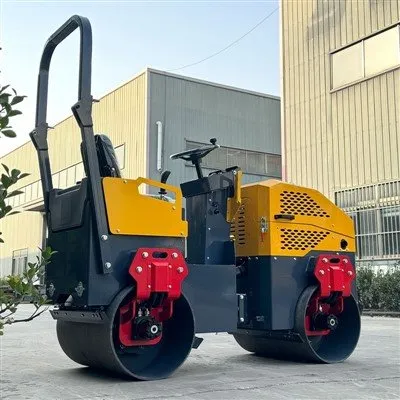
There are different types of ride - on soil compactors, and each has its own unique features that can affect transport. For instance, Vibratory Roller models have vibrating systems. These systems need to be properly secured and protected during transport to prevent any damage. The vibrations can also cause the compactor to shift during transit if it's not tied down correctly.
Full Hydraulic Road Roller models have complex hydraulic systems. These systems are sensitive to movement and shock, so extra care needs to be taken when loading, unloading, and transporting them. Any damage to the hydraulic system can be costly to repair and can delay your construction project.
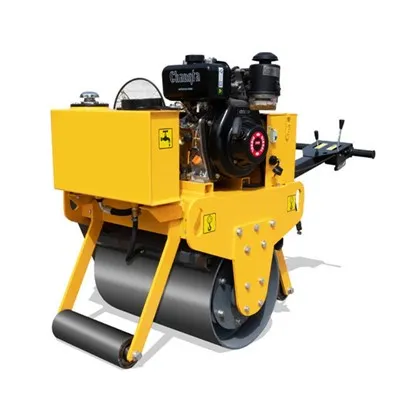
Diesel Road Roller models run on diesel fuel. Before transporting, you need to make sure the fuel tank is either empty or has only a small amount of fuel to prevent any spills during transit.
Making Transport Easier
As a supplier, I've learned a few tips and tricks to make transporting ride - on soil compactors easier. First, we always provide detailed instructions on how to load, unload, and secure the compactor. We can also offer advice on the best type of trailer to use based on the size and weight of the machine.
In some cases, we can even arrange for professional transport services. These companies have the experience and equipment to handle the transport of heavy construction machinery safely and efficiently. They know all the regulations and can take care of getting any necessary permits.
Conclusion
So, is it easy to transport a ride - on soil compactor? Well, it depends. Smaller models are relatively easy to transport, but larger, heavier ones can be a lot more challenging. You need to consider factors like size, weight, dimensions, and the type of compactor you're dealing with.
If you're in the market for a ride - on soil compactor and are concerned about transportation, don't worry. Our team is here to help. We can answer all your questions and assist you in making the process as smooth as possible. Whether it's choosing the right model for your project or finding the best way to transport it, we've got you covered. If you're interested in purchasing a ride - on soil compactor or need more information about transport, feel free to reach out and start a conversation with us. We're looking forward to working with you on your next construction project.
References
- Construction Equipment Handbook
- Road Building and Maintenance Regulations Manual