
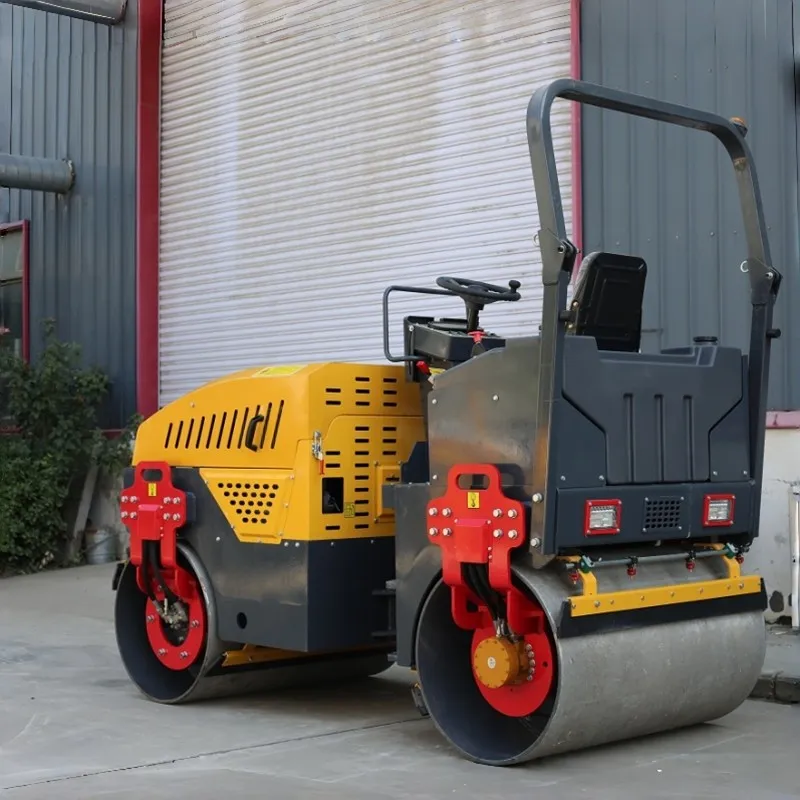
Adjusting the vibration of a vibratory roller is a crucial task that significantly impacts the compaction quality and efficiency of road construction projects. As a leading supplier of vibratory rollers, we understand the importance of proper vibration adjustment and are here to share our expertise with you.

Understanding the Basics of Vibratory Roller Vibration
Before delving into the adjustment process, it's essential to understand how the vibration system of a vibratory roller works. The vibration is generated by an eccentric mass rotating inside the drum. This rotation creates a centrifugal force, which causes the drum to vibrate. The frequency and amplitude of the vibration are two key parameters that affect the compaction performance.
- Frequency: Measured in Hertz (Hz), the frequency refers to the number of vibrations per second. Higher frequencies are generally more effective for compacting fine - grained soils, while lower frequencies are better suited for coarse - grained soils. Most modern vibratory rollers offer a frequency range of 25 Hz to 50 Hz.
- Amplitude: Amplitude is the distance that the drum moves from its resting position during vibration. It is typically measured in millimeters. Larger amplitudes provide more force for compacting thick layers or materials with high cohesion, such as clay. Smaller amplitudes are used for finishing passes or compacting thin layers.
Pre - adjustment Checks
Before making any adjustments to the vibration settings of the vibratory roller, it is necessary to perform a series of pre - adjustment checks:
- Inspect the Drum: Check the drum for any signs of damage, such as cracks or dents. A damaged drum can affect the vibration pattern and lead to uneven compaction.
- Check the Vibration System: Ensure that all the components of the vibration system, including the eccentric mass, bearings, and drive belts, are in good working condition. Loose or worn - out parts can cause abnormal vibrations or even system failure.
- Verify the Hydraulic System: The hydraulic system is responsible for powering the vibration mechanism. Check the hydraulic fluid level, the condition of the hoses, and the operation of the hydraulic pump and valves. Low fluid levels or hydraulic leaks can result in insufficient vibration power.
Adjusting the Vibration Frequency
The frequency adjustment of a vibratory roller can usually be done through the control panel in the operator's cabin. Here are the general steps:
- Refer to the Manufacturer's Manual: Different models of vibratory rollers may have different frequency adjustment procedures. Consult the manufacturer's manual for specific instructions on how to access the frequency adjustment function.
- Select the Appropriate Frequency: Based on the type of soil or material to be compacted, select the suitable vibration frequency. For example, if you are compacting sandy soil, a frequency of around 30 - 35 Hz may be appropriate. If it is clay soil, a lower frequency of 25 - 30 Hz might be more effective.
- Make Incremental Adjustments: When changing the frequency, make small adjustments and observe the compaction effect. It is recommended to test the compaction on a small area first to ensure that the selected frequency is achieving the desired results.
Adjusting the Vibration Amplitude
Adjusting the amplitude of a vibratory roller is often more complex than adjusting the frequency, as it may involve mechanical or hydraulic modifications.
- Mechanical Adjustment: Some older models of vibratory rollers allow for mechanical adjustment of the amplitude. This usually involves changing the position or mass of the eccentric weight inside the drum. This process should be carried out by a trained technician, as incorrect adjustment can lead to serious damage to the roller.
- Hydraulic Adjustment: In modern vibratory rollers, the amplitude is often adjusted hydraulically. The hydraulic system can control the movement of the eccentric mass, thereby changing the amplitude. Similar to frequency adjustment, refer to the manufacturer's manual for the specific steps to access the amplitude adjustment function. Select the appropriate amplitude based on the layer thickness and material type. For thick layers of cohesive materials, a larger amplitude may be required.
Factors Affecting Vibration Adjustment
Several factors need to be considered when adjusting the vibration of a vibratory roller:
- Soil Type: As mentioned earlier, different soil types require different vibration frequencies and amplitudes. Fine - grained soils, such as clay, have smaller particle sizes and higher cohesion, so they need lower frequencies and larger amplitudes. Coarse - grained soils, like sand and gravel, have larger particle sizes and lower cohesion, and thus require higher frequencies and smaller amplitudes.
- Layer Thickness: Thicker layers of material need more energy to be compacted effectively. Therefore, larger amplitudes and appropriate frequencies should be used. For thin layers, smaller amplitudes and higher frequencies can achieve better surface finishing.
- Compaction Targets: The required compaction degree, such as the percentage of maximum dry density, also influences the vibration settings. Higher compaction targets may require longer compaction times or more aggressive vibration settings.
Troubleshooting Vibration Problems
Even with proper adjustment, vibration problems may still occur. Here are some common issues and their solutions:
- Uneven Vibration: If the drum vibrates unevenly, it could be due to uneven weight distribution inside the drum, a damaged eccentric mass, or a problem with the hydraulic system. Check the drum for any foreign objects, inspect the eccentric mass for damage, and test the hydraulic system for leaks or malfunctions.
- Low Vibration Intensity: Low vibration intensity may be caused by a low hydraulic fluid level, a worn - out hydraulic pump, or a problem with the drive belt. Check the hydraulic fluid level, replace the hydraulic pump if necessary, and inspect and replace the drive belt.
- Excessive Vibration: Excessive vibration can be a sign of incorrect frequency or amplitude settings, or a mechanical problem with the drum or the vibration system. Review the vibration settings and make appropriate adjustments. If the problem persists, have the roller inspected by a professional technician.
Our Product Range
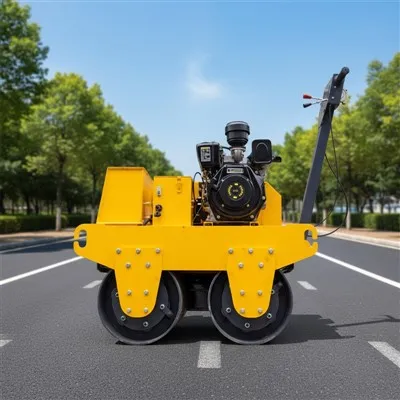
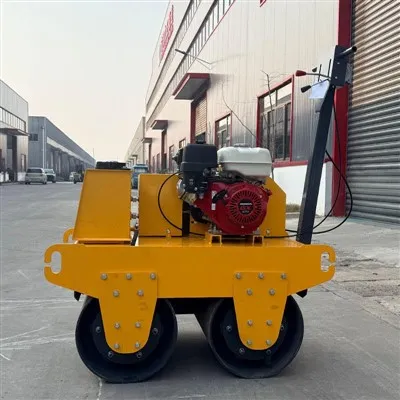
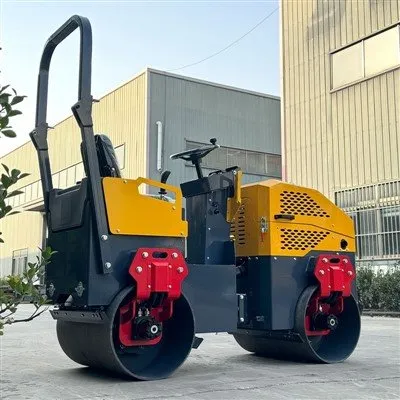
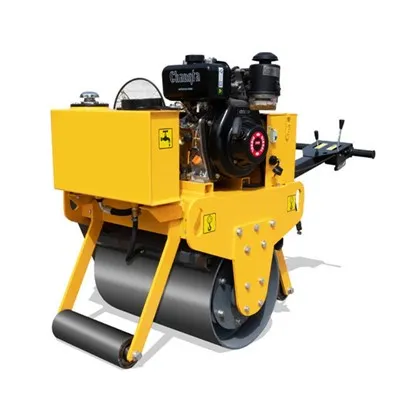
As a reliable supplier of vibratory rollers, we offer a wide range of high - quality products to meet different construction needs. Our Vibratory Roller is designed with advanced vibration technology, providing excellent compaction performance. In addition to the standard vibratory rollers, we also have Ride - on Soil Compactor, Mini Ride - on Roller, Full Hydraulic Road Roller, and Diesel Road Roller. Each of these products is engineered to deliver efficient and reliable compaction.
Contact Us for Purchase and Consultation
If you are interested in our vibratory rollers or need more information on vibration adjustment and compaction techniques, please feel free to contact us. Our professional sales team is ready to provide you with detailed product information and support. We are committed to helping you select the most suitable equipment for your projects and ensuring that you can use it effectively.
References
- Construction Equipment Handbook: Vibratory Rollers. McGraw - Hill.
- Principles of Soil Mechanics and Compaction. Wiley.
- Best Practices in Road Construction Equipment Operation. ASTM International.