
In the fast - paced world of warehousing, construction, and logistics, the productivity of a forklift can significantly impact the overall efficiency of operations. As a forklift supplier, I've witnessed firsthand the challenges that businesses face in optimizing the performance of these essential machines. In this blog post, I'll share some valuable insights and strategies on how to improve the productivity of a forklift.
1. Choose the Right Forklift for the Job
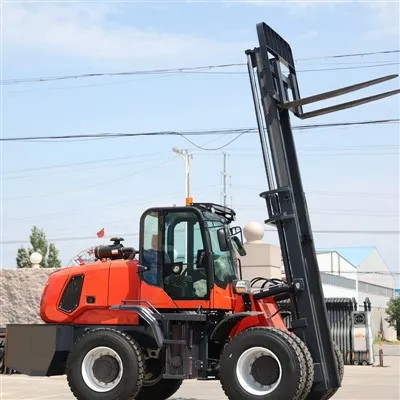
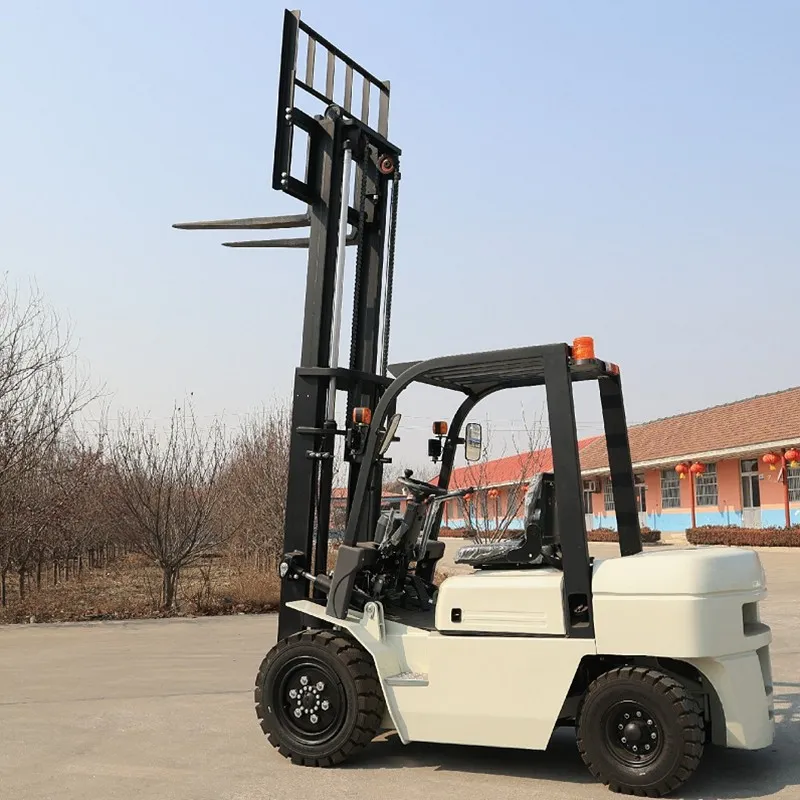
Selecting the appropriate forklift for your specific application is the first step towards enhancing productivity. Different types of forklifts are designed to perform in various environments and handle different loads. For instance, if your operations involve working on uneven or outdoor terrains, a Rough Terrain Lift Truck would be an ideal choice. These forklifts are equipped with large, sturdy tires and powerful engines that can navigate rough surfaces with ease.
On the other hand, if you're operating in an indoor warehouse with tight aisles and a need for frequent stops and starts, an Electric Lift Truck might be more suitable. Electric forklifts are known for their quiet operation, zero emissions, and excellent maneuverability. They are also cost - effective in the long run as they require less maintenance compared to their diesel counterparts.
The Lithium - Ion Electric Forklift and Electric Forklift with Lithium Battery are also gaining popularity due to their longer battery life, faster charging times, and reduced downtime. Meanwhile, for heavy - duty outdoor applications, an EPA Tier 4 Diesel Forklift can provide the necessary power and durability.
2. Operator Training and Certification
A well - trained forklift operator is one of the most crucial factors in improving forklift productivity. Operators should be thoroughly trained on the safe and efficient operation of the forklift, including proper handling of loads, maneuvering in different environments, and adherence to safety protocols.
Certification programs ensure that operators have the necessary skills and knowledge to operate forklifts safely. Regular refresher courses can also help operators stay updated on the latest best practices and technological advancements in forklift operation. In addition to safety, a skilled operator can handle loads more quickly and accurately, reducing the time spent on each task and increasing overall productivity.
3. Regular Maintenance and Inspections
Effective maintenance and inspections are essential for keeping a forklift in optimal working condition. A well - maintained forklift is less likely to experience breakdowns, which can lead to costly downtime. Establish a comprehensive maintenance schedule that includes daily pre - shift inspections, regular servicing, and timely replacement of worn - out parts.
During daily inspections, operators should check the forklift's tires, brakes, steering, hydraulic systems, and battery (for electric forklifts). Any signs of damage or malfunction should be reported immediately and addressed promptly. Regular servicing by a qualified technician can help identify and fix potential issues before they become major problems, ensuring that the forklift runs smoothly and efficiently.
4. Optimize Warehouse Layout
An efficient warehouse layout can significantly improve forklift productivity. The layout should be designed to minimize the distance that forklifts need to travel between storage areas and loading/unloading points. Use clear signage and markings to guide operators and ensure that aisles are wide enough to allow for easy maneuvering of forklifts.
Organize inventory in a logical manner, grouping similar items together and placing frequently accessed items in easily reachable locations. This reduces the time spent searching for items, making the picking process faster and more efficient. Additionally, consider implementing a cross - docking system, which allows for the direct transfer of goods from inbound to outbound vehicles, eliminating the need for storage and reducing handling time.
5. Implement Technology Solutions
Advancements in technology have introduced several solutions that can enhance forklift productivity. For example, forklift digital twin technology creates a virtual duplicate of the physical forklift. This allows operators and maintenance teams to monitor the forklift's performance in real - time, predict potential issues, and optimize operations.

Telematics systems can also be installed on forklifts to track their usage, location, and performance. This data can be used to analyze operator behavior, identify areas for improvement, and schedule maintenance more effectively. Automated guided vehicles (AGVs) and automated storage and retrieval systems (ASRS) can further streamline warehouse operations by reducing the need for manual forklift operation in certain areas, increasing throughput, and improving accuracy.
6. Load Management
Proper load management is crucial for both safety and productivity. Operators should be trained to assess the weight and dimensions of the load accurately and ensure that it is evenly distributed on the forks. Overloading a forklift can not only damage the equipment but also pose a significant safety risk.
Using appropriate attachments such as side - shifters, rotators, and clamps can make it easier to handle different types of loads. These attachments can increase the versatility of the forklift and reduce the time and effort required to move and position loads.
7. Incentive Programs for Operators
Implementing incentive programs for forklift operators can be a great way to boost productivity. Rewards can be based on various performance metrics such as the number of loads handled per shift, the accuracy of load placement, and the adherence to safety protocols.
These incentives can take the form of bonuses, paid time off, or recognition within the company. By motivating operators to perform at their best, you can improve overall productivity and create a positive work environment.
8. Continuous Improvement and Data Analysis
Regularly review and analyze data related to forklift operations, such as throughput, downtime, and fuel consumption. Identify areas where productivity can be improved and develop strategies to address these issues.
Benchmark your forklift operations against industry standards to determine where your business stands and where there is room for improvement. Continuously monitor the effectiveness of the implemented strategies and make adjustments as needed to ensure ongoing productivity gains.
As a forklift supplier, I understand that every business has unique needs and challenges. By applying these strategies, you can significantly enhance the productivity of your forklifts, reduce costs, and improve the overall efficiency of your operations. Whether you're looking to upgrade your existing forklift fleet or purchase new equipment, we're here to help you find the best solutions that meet your requirements. If you're interested in discussing your specific needs or exploring our range of forklifts, please don't hesitate to contact us for a consultation.
References
- "Forklift Operator's Manual," Various manufacturers.
- Warehouse and Distribution Center Design and Planning Guidelines, Industrial Institute Publications.
- "Advanced Forklift Technologies: A Comprehensive Guide," Industry Research Reports.