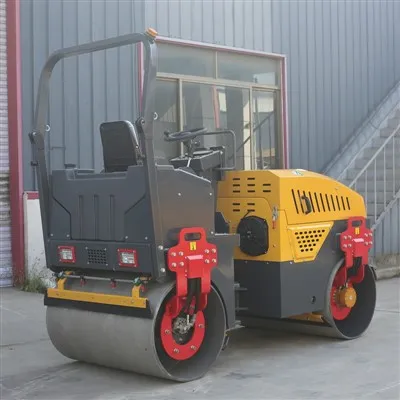

Hey there! As a supplier of Gasoline Road Rollers, I often get asked about how to measure the compaction degree of these machines. Well, let's dive right into it!
First off, understanding why measuring the compaction degree is crucial. When you're using a Gasoline Road Roller to work on a road, you want to make sure the ground is properly compacted. A good compaction degree ensures the road's durability, prevents issues like cracks and potholes, and makes the road safer for vehicles.
Methods of Measuring Compaction Degree
1. Core Sampling
This is a classic method. You take a core sample from the compacted area. It's like taking a slice of the compacted ground. You can use a special coring machine for this. Once you've got the core sample, you measure its density. Compare this density with the maximum dry density of the soil. The maximum dry density is usually determined through laboratory tests.
The formula to calculate the compaction degree using core sampling is:
Compaction Degree (%) = (Measured Dry Density / Maximum Dry Density) x 100
Core sampling gives you a pretty accurate measurement, but it has its drawbacks. It's time - consuming and can damage the compacted surface. Also, it only gives you information about the specific location where you took the sample.
2. Nuclear Density Gauge
This is a high - tech option. A nuclear density gauge uses radioactive sources to measure the density of the compacted material. It emits gamma rays, and by measuring how these rays are absorbed or scattered by the soil, the gauge can determine the density.
The great thing about nuclear density gauges is that they're fast. You can get a measurement in a matter of minutes. They also provide a non - destructive way of measuring density. However, they come with some risks. The radioactive sources need to be handled carefully, and you need to follow strict safety protocols.
3. Dynamic Cone Penetrometer (DCP)
The DCP is a simple yet effective tool. It consists of a cone at the end of a rod. You drop a weight onto the rod, and the cone penetrates the compacted soil. The depth of penetration is then measured.
The compaction degree can be estimated based on the penetration rate. A lower penetration rate usually indicates a higher compaction degree. The DCP is portable and easy to use, making it a popular choice for field measurements. But it's not as accurate as some of the other methods, especially for more complex soil types.

Factors Affecting Compaction Degree
1. Soil Type
Different soil types compact differently. For example, clay soils are more difficult to compact than sandy soils. Clay has small particles that stick together, and it can hold a lot of water. This makes it hard to get a high compaction degree. On the other hand, sandy soils have larger particles and drain water more easily, so they're generally easier to compact.
2. Moisture Content
Moisture plays a big role in compaction. If the soil is too dry, the particles won't move and pack together easily. If it's too wet, the water acts as a lubricant, and the soil can't be compacted effectively. There's an optimal moisture content for each soil type, and you need to make sure the soil is at this moisture level for the best compaction results.
3. Roller Type and Operation
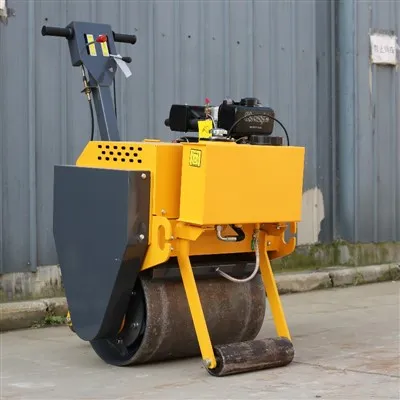
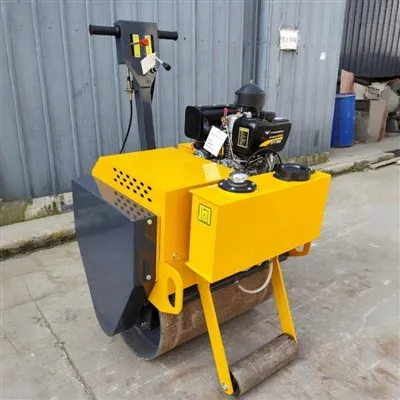
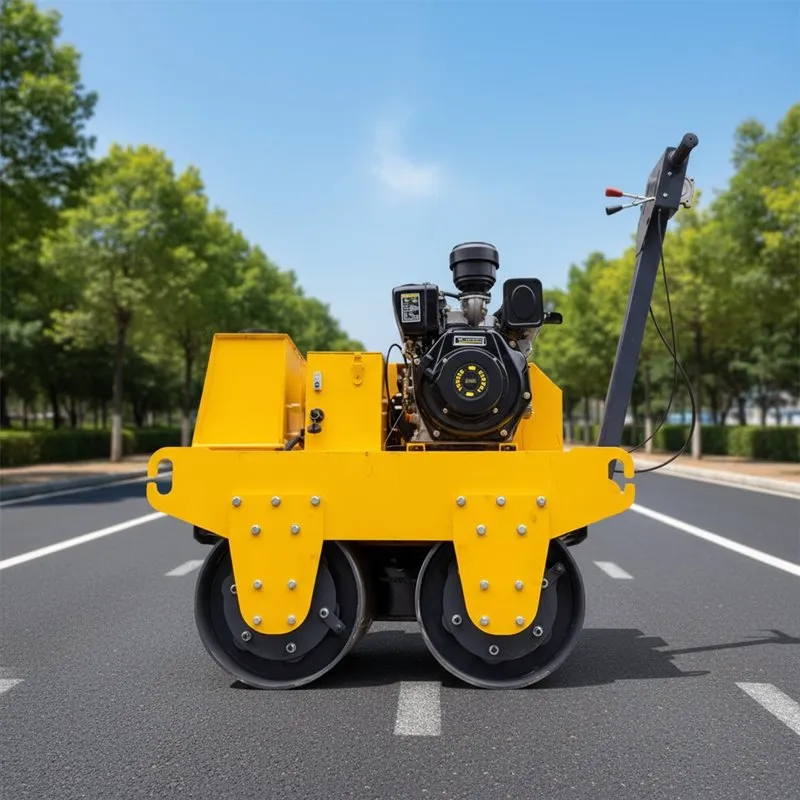
The type of Gasoline Road Roller you use matters. For example, a Single Drum Roller is great for large - scale projects, while a Mini Road Roller is more suitable for small areas.
How you operate the roller also affects the compaction degree. The speed of the roller, the number of passes, and the vibration settings all play a part. A slower speed and more passes generally lead to better compaction.
Tips for Measuring Compaction Degree
1. Plan Ahead
Before you start compacting, know what type of soil you're dealing with. Do some preliminary tests to determine the maximum dry density and the optimal moisture content. This will help you set the right parameters for your Gasoline Road Roller.
2. Take Multiple Measurements
Don't rely on just one measurement. Take measurements at different locations across the compacted area. This will give you a more accurate picture of the overall compaction degree.
3. Keep Records
Keep a record of all your measurements, including the location, the method used, and the results. This will help you track the progress of your compaction work and identify any issues.
Our Gasoline Road Rollers
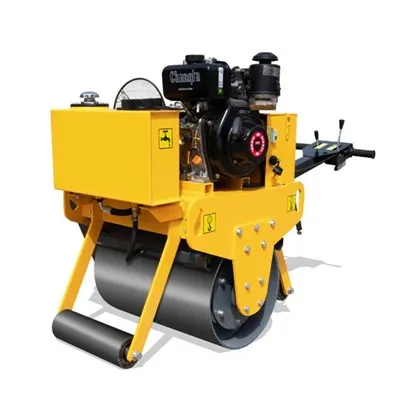
At our company, we offer a wide range of Gasoline Road Rollers that are designed to provide excellent compaction results. Whether you need a Mini Road Roller for a small project or a Double Drum Roller for a larger one, we've got you covered.
Our rollers are easy to operate and maintain, and they come with reliable engines. They're also built to last, so you can count on them for your road construction projects.
If you're in the market for a road roller, we'd love to talk to you. We can help you choose the right roller for your needs and provide you with all the information you need about measuring the compaction degree.
Conclusion
Measuring the compaction degree of a Gasoline Road Roller is an important part of road construction. By using the right methods and taking into account the factors that affect compaction, you can ensure that your roads are built to last.
If you have any questions or are interested in purchasing one of our road rollers, don't hesitate to reach out. We're here to help you make the best choice for your project.
References
- ASTM D6938 - 17, Standard Test Method for In - Place Density and Water Content of Soil and Soil - Aggregate by Nuclear Methods (Shallow Depth).
- AASHTO T 190 - 17, Standard Method of Test for Moisture - Density Relations of Soils Using a 4.54 - kg (10 - lb) Rammer and a 457 - mm (18 - in.) Drop.