
Can an electric forklift be used in explosive environments?
As an electric forklift supplier, I often encounter inquiries regarding the suitability of electric forklifts for explosive environments. This is a crucial question, as safety is paramount in any industrial setting, especially those with a high risk of explosion. In this blog post, I will delve into the technical aspects, safety considerations, and regulations surrounding the use of electric forklifts in explosive environments.
Understanding Explosive Environments
Explosive environments are areas where there is a potential for the formation of explosive mixtures of flammable gases, vapors, mists, or dusts. These environments are commonly found in chemical plants, oil refineries, grain silos, and other industries where flammable substances are handled or processed. The risk of explosion in these areas is determined by the presence of three elements: fuel (flammable substance), oxygen, and an ignition source.
How Electric Forklifts Work
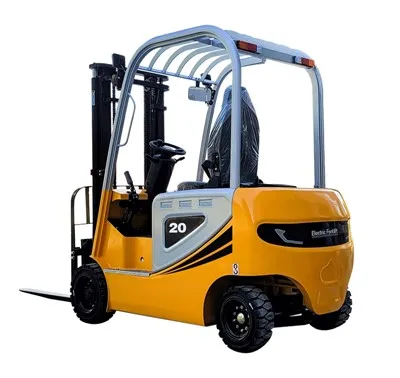
Before discussing their suitability for explosive environments, it's important to understand how electric forklifts operate. Electric forklifts are powered by electricity, typically stored in batteries. There are several types of electric forklifts available in the market, including Electric Lift Truck, Battery - Powered Forklift, Lead - Acid Battery Forklift, Electric Forklift with Lithium Battery, and Warehouse Electric Forklift.
The electric motor in a forklift converts electrical energy from the battery into mechanical energy, which is used to power the forklift's movement and lifting functions. Compared to their internal combustion engine counterparts, electric forklifts produce zero emissions at the point of use, which makes them a more environmentally friendly option for indoor use.
Potential Ignition Sources in Electric Forklifts
Although electric forklifts do not have the same type of combustion engine - related ignition sources as diesel or gasoline forklifts, they still pose some potential ignition risks. These include:
- Electrical Sparks: Electrical systems in forklifts can generate sparks during normal operation, such as when the contacts in switches or relays open and close. These sparks can potentially ignite flammable mixtures in the surrounding environment.
- Battery Charging: The charging process of forklift batteries, especially lead - acid batteries, can produce hydrogen gas. If the hydrogen gas accumulates in an enclosed space and reaches a certain concentration, it can form an explosive mixture. Additionally, the charging process can also generate heat and electrical arcs, which are potential ignition sources.
- Overheating Components: Components such as motors, controllers, and wiring can overheat due to excessive current, poor ventilation, or mechanical failures. Overheating can cause insulation to melt, leading to short - circuits and the generation of sparks.
Safety Features for Electric Forklifts in Explosive Environments
Despite the potential risks, electric forklifts can be used in explosive environments if they are properly designed and equipped with appropriate safety features. Some of these safety features include:
- Explosion - Proof Enclosures: Electrical components such as motors, controllers, and switches are enclosed in explosion - proof housings. These enclosures are designed to contain any internal explosion and prevent the propagation of flames to the surrounding environment.
- Intrinsic Safety: Some electrical circuits in the forklift are designed to be intrinsically safe, which means that they cannot produce enough energy to ignite flammable mixtures under normal or abnormal operating conditions.
- Gas Detection Systems: Forklifts can be equipped with gas detection systems that monitor the concentration of flammable gases in the surrounding environment. If the gas concentration reaches a dangerous level, the system can automatically shut down the forklift.
- Battery Safety: Special battery designs and charging systems can be used to minimize the risk of hydrogen gas generation and ignition. For example, sealed lead - acid batteries or lithium - ion batteries that are less prone to gas evolution can be employed.
Regulations and Standards
The use of electric forklifts in explosive environments is regulated by various national and international standards. These standards define the requirements for the design, construction, installation, and maintenance of equipment used in explosive atmospheres. Some of the well - known standards include:
- IECEx: The International Electrotechnical Commission System for Certification to Standards Relating to Equipment for Use in Explosive Atmospheres (IECEx) is an international certification scheme that provides a global approach to the certification of equipment for use in explosive atmospheres.
- ATEX: The European Union's ATEX Directive sets out the requirements for equipment and protective systems intended for use in potentially explosive atmospheres.
Compliance with these standards is essential to ensure the safety of electric forklifts in explosive environments.


Case Studies
There have been numerous successful implementations of electric forklifts in explosive environments around the world. For example, in a chemical plant, electric forklifts equipped with explosion - proof enclosures and gas detection systems have been used to handle raw materials and finished products safely. These forklifts have significantly reduced the risk of explosion and improved the overall safety of the workplace.
Conclusion
In conclusion, while electric forklifts have the potential to be used in explosive environments, their safe use depends on proper design, the installation of appropriate safety features, and compliance with relevant regulations and standards. As an electric forklift supplier, we are committed to providing our customers with high - quality forklifts that are suitable for a wide range of applications, including those in explosive environments.
If you are considering using electric forklifts in an explosive environment or have any questions about our products, please feel free to contact us for more information. We look forward to discussing your specific requirements and helping you find the best forklift solution for your business.
References
- International Electrotechnical Commission (IEC). Standards related to equipment for use in explosive atmospheres.
- European Union. ATEX Directive 2014/34/EU.
Note: The content above is written for reference only. You may need to adjust the content according to your actual situation, such as the specific products and services of your company, and the in - depth explanations of technical details.