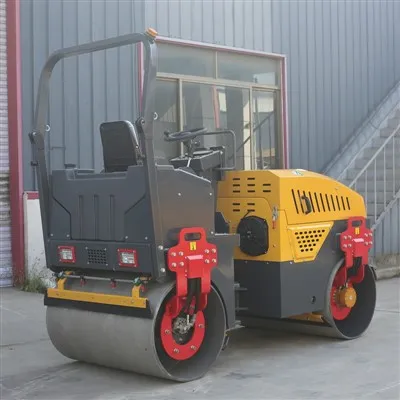

Asphalt compaction is a crucial step in road construction, as it significantly influences the durability, smoothness, and overall performance of the asphalt pavement. Among the various equipment available for this task, single drum rollers are a common sight on construction sites. As a supplier of Single Drum Roller, I'm often asked whether a single drum roller can be effectively used for asphalt compaction. In this blog post, I'll delve into the capabilities, advantages, limitations, and considerations of using a single drum roller for asphalt compaction.
Understanding the Basics of Asphalt Compaction
Before discussing the suitability of single drum rollers, it's essential to understand the purpose of asphalt compaction. The primary goal is to reduce the air voids in the asphalt mixture, which enhances the pavement's strength, resistance to wear and tear, and water - proofing properties. Compaction also ensures a smooth and uniform surface, which is critical for safe and comfortable driving.
The compaction process typically involves three stages: initial compaction, intermediate compaction, and final compaction. Each stage has specific requirements in terms of equipment, compaction force, and rolling pattern.
Capabilities of Single Drum Rollers for Asphalt Compaction
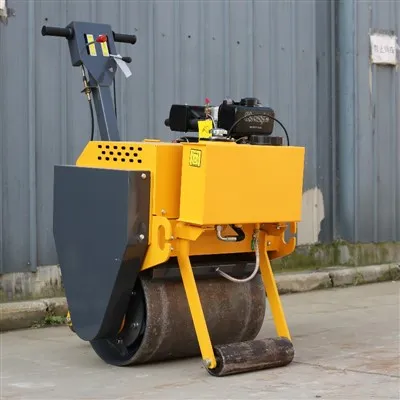
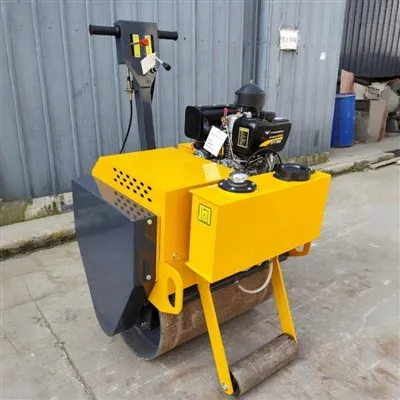
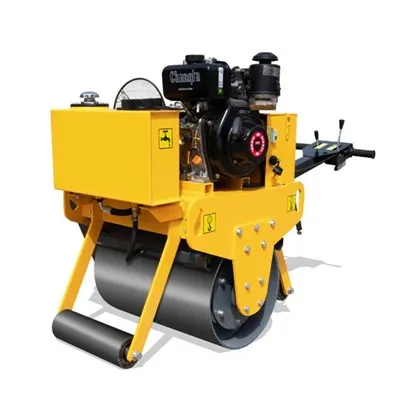
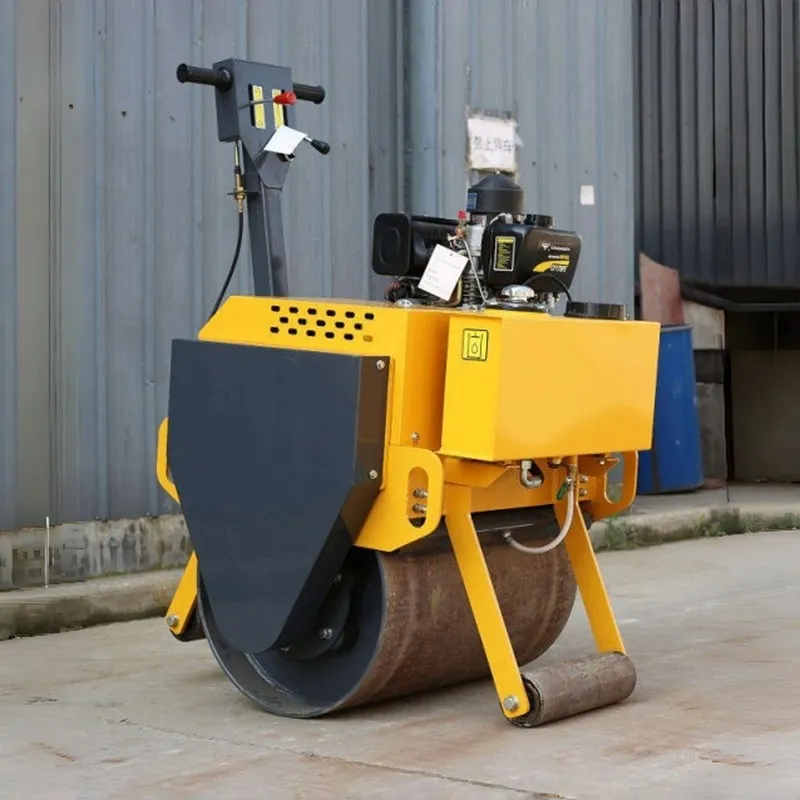
Single drum rollers are equipped with a large steel drum at the front and either a set of wheels or another smaller drum at the rear. They are capable of applying significant pressure to the asphalt surface, which is essential for reducing air voids.
Initial Compaction
In the initial compaction stage, the main objective is to set the asphalt in place and start reducing the large air voids. Single drum rollers can be very effective in this stage. Their heavy drum can quickly flatten the freshly laid asphalt, providing an even base for further compaction. The weight of the roller, combined with its static pressure, helps to lock the asphalt particles together.
Intermediate Compaction
During the intermediate compaction stage, the goal is to further reduce the air voids and increase the density of the asphalt. Single drum rollers with vibration capabilities can be highly beneficial. The vibration function allows the roller to penetrate deeper into the asphalt layer, breaking up any remaining air pockets and ensuring a more thorough compaction. The adjustable vibration frequency and amplitude of modern single drum rollers can be tailored to the specific requirements of the asphalt mixture and the project.

Final Compaction
The final compaction stage is focused on achieving a smooth and uniform surface. Single drum rollers can contribute to this process by providing a finishing pass. Their large drum size helps to eliminate any minor irregularities on the asphalt surface, resulting in a high - quality finish.
Advantages of Using Single Drum Rollers for Asphalt Compaction
Versatility
Single drum rollers are versatile machines that can be used for a variety of compaction tasks, not just asphalt. They can also be used for compacting soil, gravel, and other base materials. This makes them a valuable asset on construction sites where multiple types of compaction work are required.
Maneuverability
Compared to some larger compaction equipment, single drum rollers are relatively maneuverable. They can easily navigate around obstacles on the construction site and work in tight spaces. This is particularly useful in urban road construction projects where space is limited.
Cost - effectiveness
Single drum rollers are generally more cost - effective than some other types of compaction equipment, such as double drum rollers. They have a lower initial purchase price and lower operating costs, making them an attractive option for small to medium - sized construction companies.
Limitations of Using Single Drum Rollers for Asphalt Compaction
Surface Finish in Some Cases
While single drum rollers can provide a good surface finish in many situations, they may not be as effective as Double Drum Roller in achieving a perfectly smooth and uniform surface, especially for high - traffic roads or areas with strict surface finish requirements. The rear wheels or smaller drum of a single drum roller can sometimes leave minor marks on the asphalt surface.
Compaction Depth
In some cases, single drum rollers may have limitations in compaction depth, especially for thick asphalt layers. For very thick asphalt pavements, multiple passes or the use of more powerful compaction equipment may be required to ensure adequate compaction throughout the entire layer.
Considerations When Using Single Drum Rollers for Asphalt Compaction
Asphalt Mixture Properties
The properties of the asphalt mixture, such as its temperature, viscosity, and aggregate size, can significantly affect the compaction process. Different asphalt mixtures may require different compaction techniques and equipment settings. For example, a hot - mix asphalt with a high viscosity may require a higher vibration frequency and amplitude from the single drum roller.
Compaction Pattern
The compaction pattern is crucial for achieving uniform compaction. It's important to follow a proper rolling pattern, such as starting from the edges and working towards the center of the pavement. Overlapping the roller passes by a certain percentage (usually around 15 - 20%) helps to ensure consistent compaction across the entire surface.
Roller Maintenance
Regular maintenance of the single drum roller is essential to ensure its optimal performance. This includes checking the drum for wear and tear, maintaining the proper oil levels in the engine and hydraulic systems, and ensuring that the vibration mechanism is functioning correctly.
Comparison with Other Compaction Equipment
Double Drum Rollers
Double Drum Rollers are often preferred for asphalt compaction in situations where a high - quality surface finish is required. They have two drums, which can provide more even pressure distribution and a smoother surface finish. However, they are generally more expensive and less maneuverable than single drum rollers.
Gasoline Road Rollers
Gasoline Road Rollers are powered by gasoline engines. They are suitable for small - scale asphalt compaction projects, such as driveways or small parking lots. They are relatively lightweight and easy to operate, but may have limited power compared to larger single drum rollers.
Small Compactors and Mini Road Rollers
Small Compactor and Mini Road Roller are designed for very small - scale compaction tasks. They are ideal for compacting asphalt in tight spaces or for touch - up work. However, they may not have the capacity or compaction force required for large - scale asphalt construction projects.
Conclusion
In conclusion, a single drum roller can be effectively used for asphalt compaction in many situations. It offers versatility, maneuverability, and cost - effectiveness, making it a popular choice for a wide range of construction projects. However, it's important to consider the specific requirements of the project, such as the asphalt mixture properties, the desired surface finish, and the compaction depth. In some cases, it may be necessary to combine the use of a single drum roller with other compaction equipment to achieve the best results.
If you're involved in an asphalt compaction project and are considering using a single drum roller, I encourage you to reach out to discuss your specific needs. Our team of experts can provide you with detailed information about our Single Drum Roller products, including their features, capabilities, and pricing. We're committed to helping you find the right equipment for your project to ensure its success.
References
- "Pavement Engineering: Principles and Practice" by Yang H. Huang, Erol Tutumluer, and Edward M. Sebesta.
- "Asphalt Paving Handbook" by the Asphalt Institute.