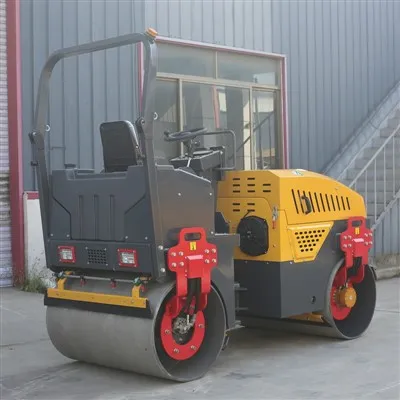

When it comes to road construction and maintenance, one of the most critical challenges is handling slopes. Road rollers, essential machines in this field, must operate effectively on inclines to ensure proper compaction and road quality. As a reputable road roller supplier, I'm often asked about how our road rollers handle slopes. In this blog post, I'll delve into the technical aspects, operational considerations, and safety measures related to road rollers on slopes.
Technical Features for Slope Handling
Weight Distribution
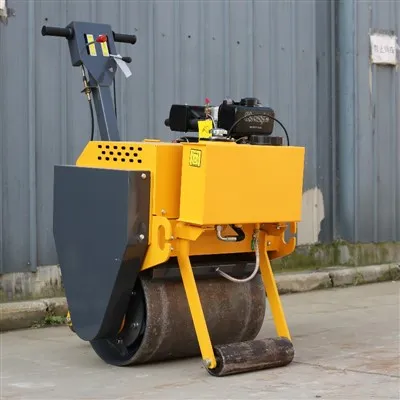
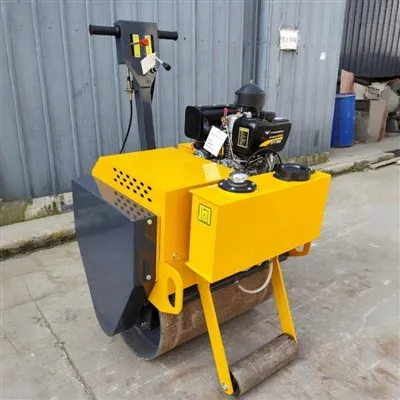
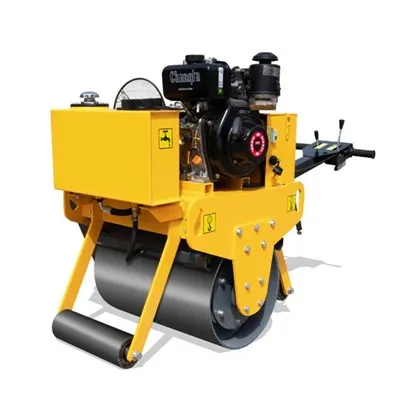
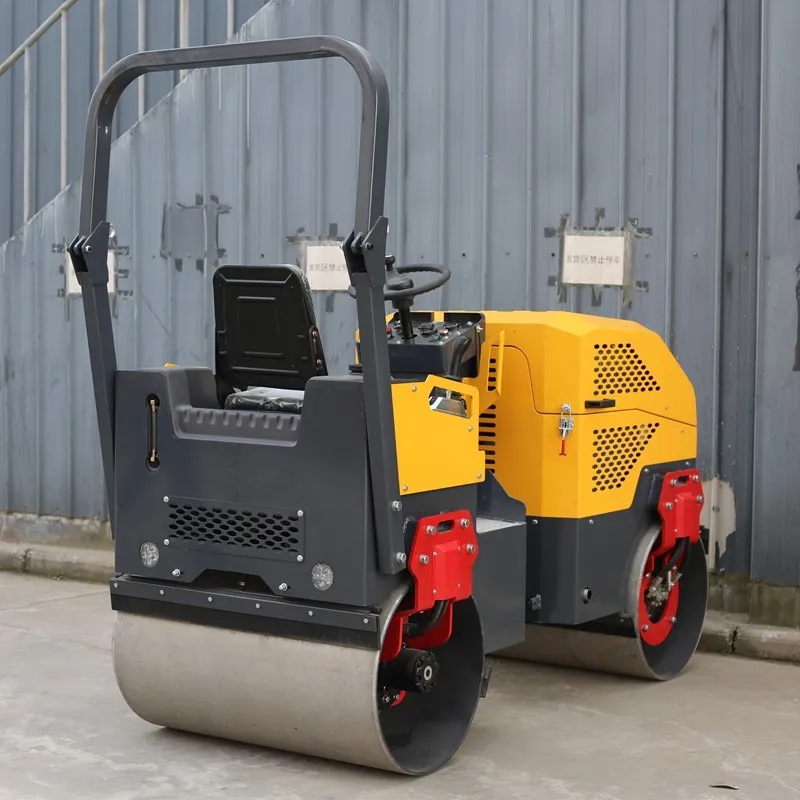
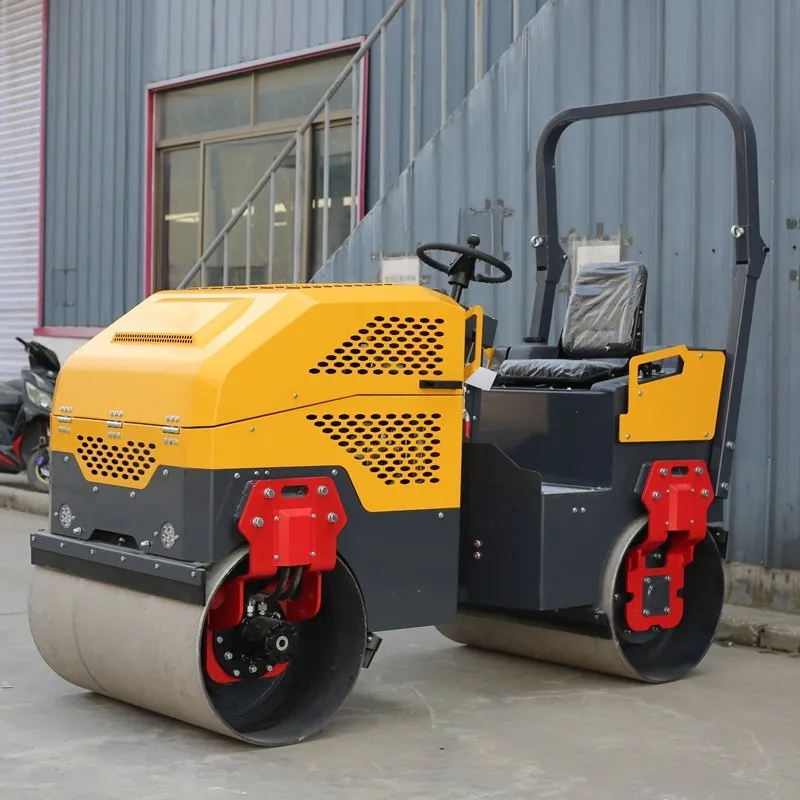
The weight of a road roller is a crucial factor in its ability to handle slopes. A well - designed road roller has an optimal weight distribution. For instance, our Small Compactor is engineered to have a balanced weight. The center of gravity is carefully positioned to ensure stability on slopes. The weight presses the material beneath the rollers down firmly, providing traction and preventing the machine from slipping. On steeper slopes, a lower center of gravity is even more important. Road rollers with a wider wheelbase and a lower overall height are better equipped to handle inclines. This is because they have a larger contact area with the ground and a more stable base, reducing the risk of tipping over.
Traction Systems
Traction is another vital aspect for road rollers on slopes. Our road rollers are equipped with advanced traction systems. Pneumatic - tired rollers have specially designed tires that offer excellent grip. The tread pattern on these tires is engineered to bite into the surface, providing traction even on wet or loose slopes. For example, the Full Hydraulic Road Roller uses a hydraulic drive system that can adjust the power delivered to each wheel. This allows the roller to adapt to the changing traction requirements on slopes. In some cases, the system can transfer more power to the wheels with better grip, ensuring smooth and efficient operation.
Braking Systems
A reliable braking system is essential for road rollers operating on slopes. Our road rollers are fitted with high - performance brakes. These brakes can quickly and effectively stop the machine in case of an emergency. The braking force is evenly distributed across all wheels to prevent skidding. For instance, the Gasoline Road Roller has a dual - circuit braking system. This means that if one circuit fails, the other can still provide sufficient braking power, ensuring the safety of the operator and the integrity of the machine.
Operational Considerations
Operator Training
The skills and knowledge of the operator play a significant role in how a road roller handles slopes. Our company provides comprehensive operator training programs. Operators are taught how to assess the slope before starting the compaction process. They learn to adjust the speed and vibration settings according to the slope's steepness and the type of material being compacted. For example, on a steep slope, a slower speed is required to maintain control, and a moderate vibration intensity may be more appropriate to prevent the material from being displaced.
Compaction Patterns
The compaction pattern is also crucial on slopes. Our road rollers are designed to follow specific patterns for optimal compaction. For example, on a slope, the roller should start at the bottom and work its way up in a zig - zag pattern. This helps to evenly distribute the compaction force and prevents the material from sliding down the slope. The Double Drum Roller is particularly effective in following these patterns due to its maneuverability.
Safety Measures
Speed Limiting
To ensure safety on slopes, our road rollers are often equipped with speed - limiting devices. These devices prevent the machine from traveling too fast on inclines, reducing the risk of accidents. The speed limit can be adjusted based on the slope's steepness and the type of operation. For example, on a very steep slope, the maximum speed may be set to a very low value to ensure full control of the machine.
Safety Guards
Safety guards are installed on our road rollers to protect the operator in case of a roll - over. These guards are designed to withstand the impact and provide a safe area for the operator. Additionally, the operator's cabin is equipped with safety belts and other safety features to further enhance the operator's safety.
Monitoring Systems
Modern road rollers, such as our Vibratory Roller, are equipped with monitoring systems. These systems can detect changes in the machine's stability, such as a sudden shift in the center of gravity. If the monitoring system senses a potential danger, it can alert the operator, allowing them to take immediate action.
Conclusion
Handling slopes is a complex task for road rollers, but with the right technical features, proper operational practices, and strict safety measures, it can be done effectively and safely. Our road rollers are designed and manufactured to meet the highest standards in slope handling. Whether it's a small - scale compaction project with a Small Compactor or a large - scale road construction project with a Full Hydraulic Road Roller, we have the right solution for you.
If you're in the market for a road roller and need a machine that can handle slopes with ease, we're here to help. Our team of experts can provide you with detailed product information, technical support, and guidance on choosing the right road roller for your specific needs. Contact us today to start a procurement discussion and take your road construction projects to the next level.
References
- Brinker, R., & Carrasquillo, R. (Eds.). (2018). Construction Equipment and Methods. Routledge.
- AASHTO. (2019). A Policy on Geometric Design of Highways and Streets. American Association of State Highway and Transportation Officials.