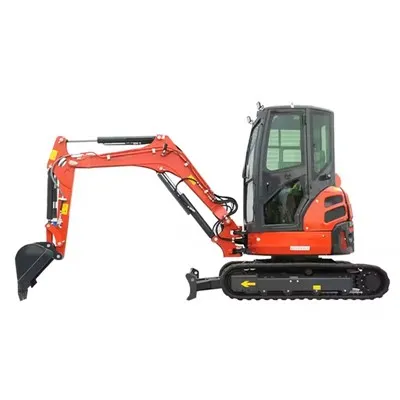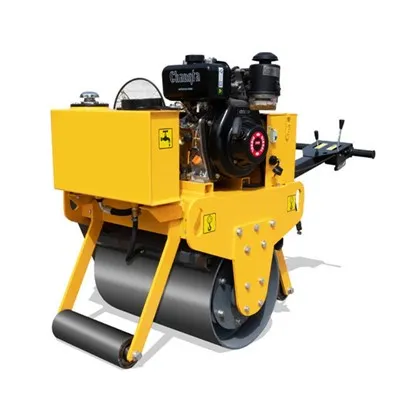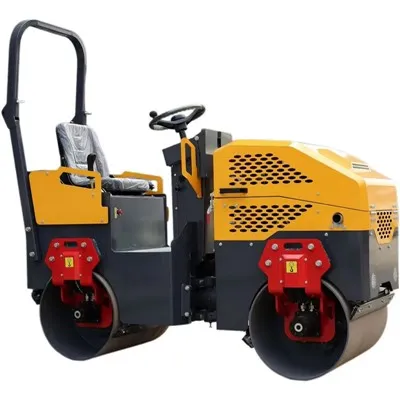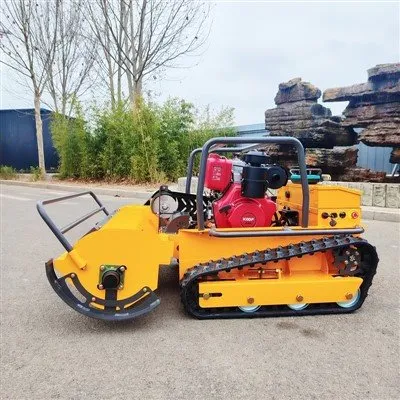

Hey there! As a supplier of Small Compactors, I often get asked a bunch of questions about what these nifty machines can and can't do. One question that popped up recently got me thinking: "Can a Small Compactor be used for compressing glass?" Today, I'm gonna dive into that topic and give you all the details.
First off, let's talk a bit about Small Compactors. I'm really proud to offer Small Compactor that are top - notch. They're designed to be super handy, great for small - scale projects where you need to compress materials to make them more compact. They're not as big as some industrial behemoths, but they pack a punch for their size.
Now, let's turn our attention to glass. Glass is a tricky material. It's hard, brittle, and has unique physical properties. When you think about compressing something, you usually want to break it down and smash it together. With glass, that initial step of breaking it can be a bit of a challenge. Glass can shatter into sharp, dangerous pieces, so safety's a huge concern right off the bat.
When it comes to using a Small Compactor for glass, there are a few things to consider. First, the power of the compactor. Small Compactors are usually made for lighter materials like dirt, small stones, or loose debris. They might not have the sheer force needed to crush a large, solid piece of glass. You see, glass has a high compressive strength in its intact form. So, if you just throw a big block of glass into the compactor, chances are it won't do much.
But what if the glass is already broken into smaller pieces? Well, that's a different story. Once the glass is in smaller fragments, a Small Compactor might be able to compress it to some extent. The compactor can push those pieces closer together, reducing the overall volume. However, it's important to note that glass doesn't really "compact" in the same way as, say, soil. When you compact soil, the particles rearrange and fill in the gaps. With glass, the pieces just get pushed together, but they don't bond or fuse easily.
Another thing to think about is the type of Small Compactor. There are different models, each with its own set of features. Some compactors use a vibrating mechanism to help with the compaction process. This vibration can be useful when dealing with glass fragments. It can make the pieces settle more evenly and potentially increase the level of compaction. But again, our Small Compactor needs to be able to handle the abrasiveness of the glass. Glass is quite abrasive, and over time, it can wear down the parts of the compactor.
Safety is a major factor here. Working with broken glass is always risky. You need to make sure the compactor is properly shielded to prevent broken glass from flying out. Also, operators should wear appropriate safety gear, like gloves and safety glasses. If the glass isn't compressed properly, those sharp shards can be a real hazard.
Let's compare this with other types of compacting equipment. For instance, we also have Double Drum Roller, Mini Road Roller, Gasoline Road Roller, and Single Drum Roller. These are usually more powerful and are designed for bigger - scale projects, like road construction. They might have a better chance of compressing larger amounts of glass, but they're also more expensive and might be overkill for a small operation.
In some recycling scenarios, using a Small Compactor for glass can be a great idea. If you're dealing with a small quantity of glass waste at a local recycling center or a small business, a Small Compactor can help you save space. By compressing the glass, you can fit more in a storage container or a transport vehicle, which can ultimately save on transportation costs.
However, if you're looking to turn the glass into something new, like glassphalt (a mixture of recycled glass and asphalt), a Small Compactor might not do the job alone. You'll need additional processing equipment to melt and reform the glass.
So, can a Small Compactor be used for compressing glass? The answer is yes, but with some limitations. It can compress small, pre - broken pieces of glass to reduce volume, but it's not going to transform the glass into a solid, reusable block on its own. You have to weigh the pros and cons, considering factors like safety, the amount of glass you're dealing with, and your end - goal.
If you're interested in finding out if our Small Compactor is right for your glass - compacting needs, or if you want to learn more about our other products like Double Drum Roller, Mini Road Roller, Gasoline Road Roller, and Single Drum Roller, feel free to reach out. Let's have a chat and see how we can find the best solution for your project.
References:


- General knowledge about glass properties and material compaction.
- Industry experience in working with compacting equipment.