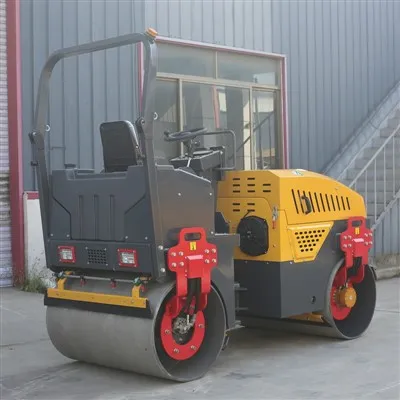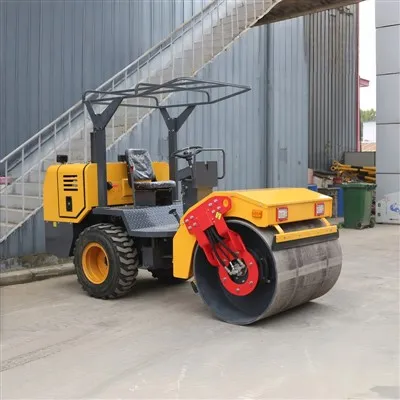

The operator's cab in a vibratory roller plays multiple crucial roles, which significantly impact the performance, efficiency, and safety of the machine. As a leading supplier of Vibratory Roller, we are well - versed in the importance of these cabs and their functions.
1. Operator Comfort and Ergonomics
The first and perhaps most apparent role of the operator's cab is to provide a comfortable working environment. Long hours of operation can take a toll on the operator's physical and mental health. A well - designed cab is equipped with adjustable seats that can be customized according to the operator's height and preferences. These seats are often padded with high - quality materials to reduce fatigue, especially when the roller is constantly vibrating during operation.
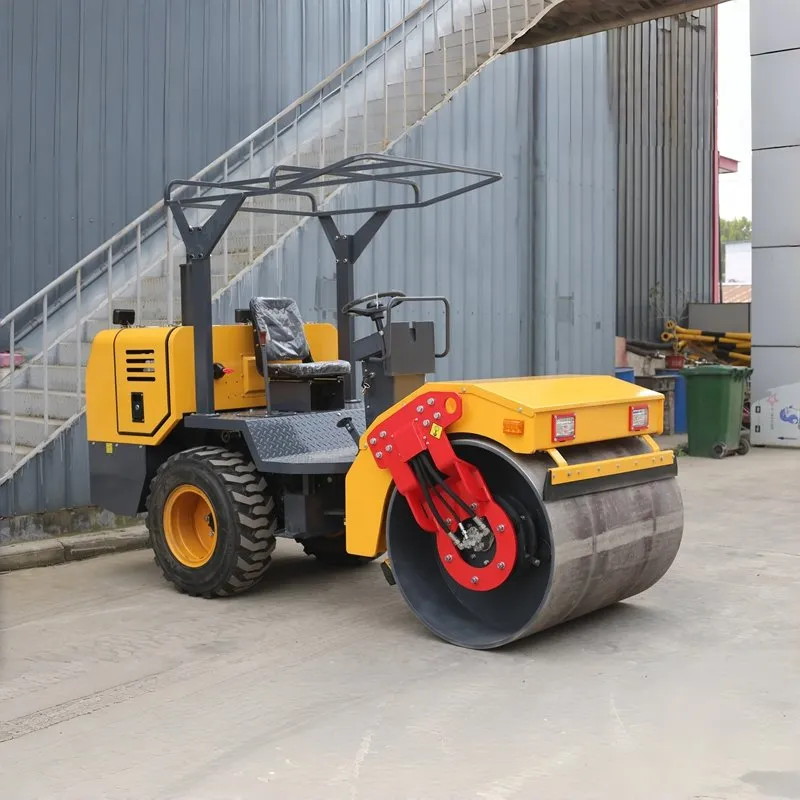
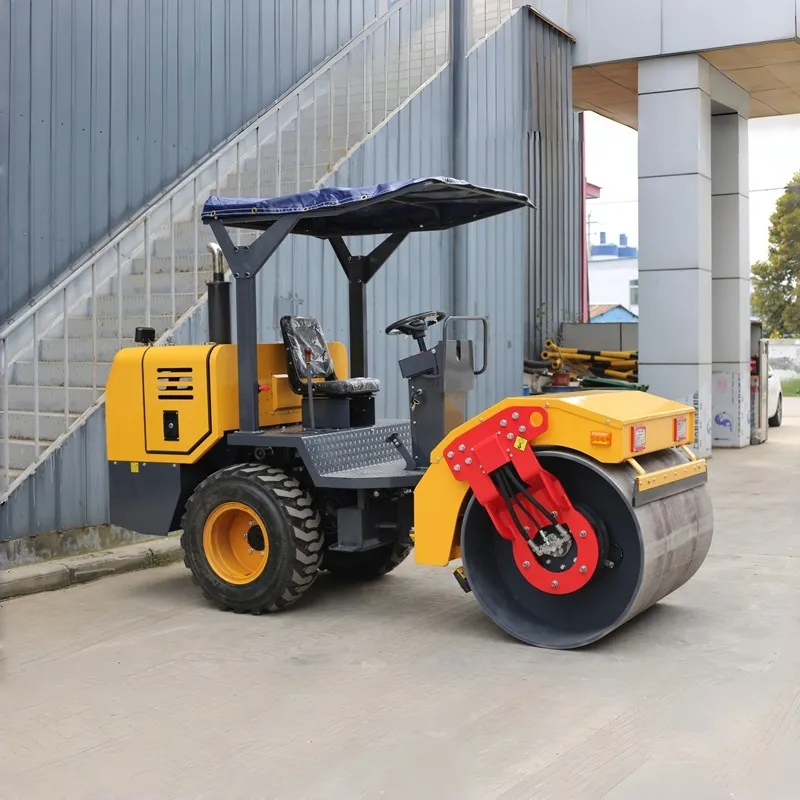
The layout of controls within the cab is also designed for ergonomic efficiency. All essential controls, such as those for steering, vibration activation, and speed adjustment, are placed within easy reach of the operator. This reduces the need for the operator to stretch or twist uncomfortably, minimizing the risk of musculoskeletal injuries. For instance, in our Diesel Road Roller, the control panel is carefully arranged to ensure that the operator can operate the machine with minimal effort and maximum concentration.
The cab also offers protection from external environmental factors. It is usually sealed to keep out dust, noise, and extreme weather conditions. The use of sound - insulating materials reduces the noise level inside the cab, which can be very high due to the engine and the vibrating mechanism. This not only improves the operator's comfort but also helps prevent hearing damage over time.
2. Machine Control and Monitoring
The operator's cab serves as the control center of the vibratory roller. From here, the operator has full control over all the functions of the machine. They can start and stop the engine, engage or disengage the vibration system, and adjust the speed and direction of the roller.
Modern vibratory rollers are often equipped with advanced control systems that are accessible from the cab. These systems allow the operator to monitor various parameters of the machine, such as engine temperature, oil pressure, and vibration frequency. This real - time monitoring helps the operator detect any potential problems early and take appropriate action to prevent breakdowns. For example, if the engine temperature rises above the normal range, the operator can stop the machine and investigate the issue before it causes serious damage.
In addition, some cabs are equipped with GPS and other positioning systems. These systems help the operator accurately navigate the construction site and ensure that the roller covers the entire area to be compacted. They can also provide information about the compaction progress, such as the number of passes made and the compaction density achieved in different areas.
3. Safety and Visibility
Safety is a top priority in any construction operation, and the operator's cab plays a vital role in ensuring the safety of the operator and those around the machine. The cab is designed to provide a clear line of sight for the operator. Large windows and well - placed mirrors allow the operator to see the front, sides, and rear of the roller, as well as any obstacles or personnel in the vicinity.
The cab is also built with safety features such as roll - over protection structures (ROPS) and falling object protection structures (FOPS). ROPS are designed to protect the operator in case the roller overturns, while FOPS protect against falling objects. These structures are made of high - strength materials that can withstand significant impact forces.
In case of an emergency, the cab is equipped with emergency stop buttons that can immediately shut down the machine. This helps prevent accidents and minimize damage in critical situations.
4. Productivity Enhancement
A well - designed operator's cab can significantly enhance the productivity of a vibratory roller. When the operator is comfortable and has full control over the machine, they can work more efficiently. The reduced fatigue caused by a comfortable cab allows the operator to maintain a higher level of concentration and productivity throughout the workday.
The ability to monitor machine parameters and compaction progress in real - time also helps improve productivity. The operator can make quick adjustments to the roller's operation based on the feedback from the monitoring systems, ensuring that the compaction process is completed in the shortest possible time with the highest quality.
For example, in a large - scale road construction project, a Full Hydraulic Road Roller with an advanced operator's cab can complete the compaction work more quickly and accurately compared to a roller with a less - optimized cab.
5. Adaptability and Customization
The operator's cab can be customized to meet the specific needs of different construction projects and operators. We offer a range of options for our Vibratory Roller cabs, including different types of seats, control layouts, and additional features.
Some operators may prefer a more basic cab with essential controls, while others may require a more advanced cab with additional monitoring and comfort features. For example, in a cold - climate construction site, the cab can be equipped with a heating system to keep the operator warm. In a hot - climate area, an air - conditioning system can be added to provide a comfortable working environment.
Moreover, the cab can be adapted to different types of vibratory rollers, such as Ride - on Soil Compactor and Mini Ride - on Roller. Each type of roller may have different operating requirements, and the cab design can be adjusted accordingly to ensure optimal performance.
In conclusion, the operator's cab in a vibratory roller is not just a simple enclosure but an integral part of the machine that affects its performance, safety, and productivity. As a supplier, we understand the importance of providing high - quality cabs that meet the diverse needs of our customers. If you are in the market for a vibratory roller or have any questions about our products, please feel free to contact us for procurement and further discussion.
References
- Construction Equipment Handbook. A comprehensive guide to the design and operation of construction machinery, including vibratory rollers.
- Safety Standards in Construction Equipment. Published by international safety organizations, it provides guidelines on the safety features of operator cabs in construction vehicles.