
As a supplier of Diesel Road Rollers, I've witnessed firsthand the importance of achieving optimal compaction in road construction and various earthwork projects. A well - compacted surface is crucial for the long - term durability and performance of roads, foundations, and other structures. In this blog, I'll share several key strategies to improve the compaction effect of a Diesel Road Roller.
1. Select the Right Type of Diesel Road Roller
The choice of the roller depends on the project requirements. Different types of road rollers are designed for specific tasks, and using the appropriate one is the first step to achieving good compaction.
-
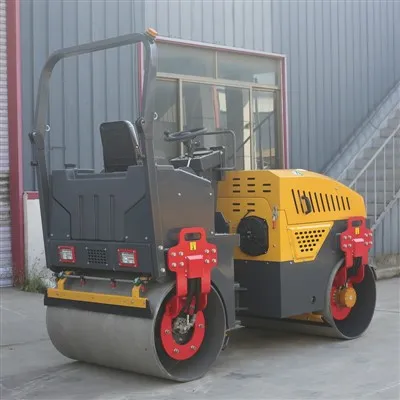
Full Hydraulic Road Roller: Full Hydraulic Road Roller offers excellent control and smooth operation. Its hydraulic system allows for precise adjustments of speed, vibration, and steering. These rollers are highly efficient in compacting asphalt pavements, as they can deliver consistent compaction force over the entire working area. The hydraulic drive system provides better traction, which is particularly useful when working on uneven surfaces or slopes.
-
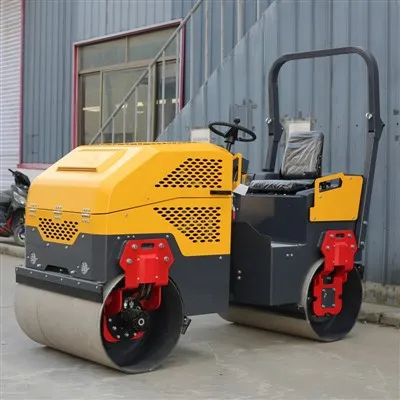
Mini Ride - on Roller: For small - scale projects such as sidewalks, bike paths, or private driveways, Mini Ride - on Roller is an ideal choice. It is highly maneuverable and can access tight spaces where larger rollers cannot. Despite its small size, it still provides sufficient compaction force for the materials commonly used in these projects, such as gravel and sand.
-
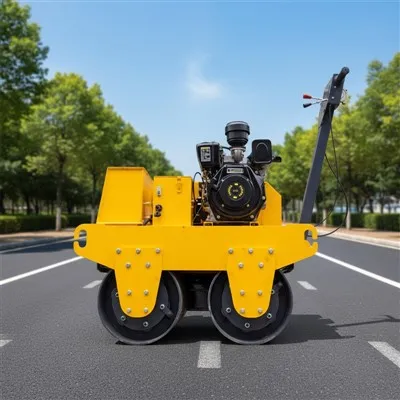
Vibratory Roller: Vibratory Roller is equipped with a vibrating drum that significantly enhances the compaction effect. The vibration helps to reduce the internal friction between soil or asphalt particles, allowing them to settle more closely together. This type of roller is very effective in compacting granular soils, asphalt mixtures, and base courses. The amplitude and frequency of the vibration can be adjusted according to the type of material being compacted.
-
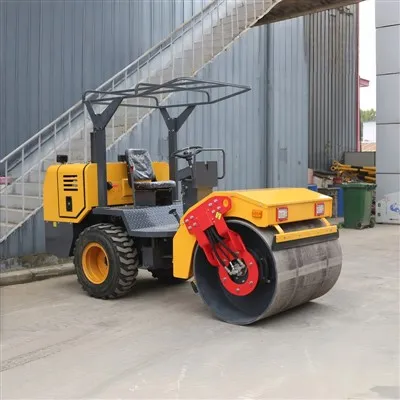
Ride - on Soil Compactor: Ride - on Soil Compactor is specifically designed for compacting soil. It usually has a large drum with a wide contact area, which distributes the compaction force evenly over the soil surface. This type of roller is suitable for large - scale earthwork projects, such as building foundations and embankments.
2. Prepare the Material Properly
Proper material preparation is essential for achieving good compaction results.
-
Moisture Content: The moisture content of the soil or asphalt has a significant impact on compaction. For soil, there is an optimal moisture content at which the soil particles can be most effectively compacted. If the soil is too dry, the particles will not move easily, and it will be difficult to achieve the desired compaction density. On the other hand, if the soil is too wet, it may become soft and unstable, and the roller may sink or cause the soil to be displaced. For asphalt, the temperature and moisture content also need to be carefully controlled during the paving process to ensure proper compaction.
-
Particle Size and Gradation: The particle size and gradation of the soil or aggregate in the asphalt mixture affect the compaction process. A well - graded material, with a good distribution of particle sizes, will generally compact better than a poorly graded one. In soil compaction, a mixture of different particle sizes can fill the voids between the larger particles, resulting in a more dense and stable structure.
3. Operate the Diesel Road Roller Correctly
The way the roller is operated can greatly influence the compaction effect.
-
Speed: The speed of the roller should be appropriate for the type of material and the compaction requirements. A slower speed generally allows for more effective compaction, as it gives the roller more time to apply the compaction force to the material. However, if the speed is too slow, it may reduce the efficiency of the compaction process. For example, when compacting asphalt, a speed of 2 - 4 km/h is often recommended.
-
Overlap: When making multiple passes with the roller, it is important to ensure proper overlap between each pass. A common rule of thumb is to overlap the drum width by about 1/3 to 1/2. This helps to ensure uniform compaction across the entire surface and avoids the formation of un - compacted areas.
-
Vibration Settings: If the roller is a vibratory type, the vibration settings need to be adjusted according to the material. For example, when compacting granular soil, a higher amplitude and frequency may be required to achieve the desired compaction density. When compacting asphalt, a lower amplitude and a specific frequency range are usually recommended to avoid damaging the asphalt surface.
4. Maintain the Diesel Road Roller Regularly
Regular maintenance of the Diesel Road Roller is crucial for its efficient operation and consistent compaction performance.
-
Engine Maintenance: The diesel engine is the power source of the roller. Regular oil changes, filter replacements, and engine tune - ups are necessary to ensure the engine runs smoothly and provides sufficient power for the compaction process. A poorly maintained engine may result in reduced compaction force or uneven operation.
-
Drum Maintenance: The drum is the key component for applying the compaction force. It should be inspected regularly for wear and damage. Any cracks, dents, or uneven surfaces on the drum can affect the compaction quality. The drum should also be kept clean to prevent the adhesion of soil or asphalt, which can reduce the compaction efficiency.
-
Hydraulic System Maintenance (if applicable): For full - hydraulic road rollers, the hydraulic system needs to be maintained regularly. This includes checking the hydraulic fluid level, changing the hydraulic filter, and inspecting the hydraulic hoses for leaks. A well - maintained hydraulic system ensures smooth and precise operation of the roller.
5. Monitor the Compaction Process
Monitoring the compaction process is an important step to ensure that the desired compaction effect is achieved.
-
Compaction Testing: Regular compaction testing should be carried out during the compaction process. This can include methods such as nuclear density testing, sand cone testing, or plate load testing. These tests can provide accurate information about the compaction density and help to determine whether the compaction process is meeting the project specifications.
-
Visual Inspection: In addition to compaction testing, visual inspection is also a simple and effective way to monitor the compaction process. Look for signs of uneven compaction, such as ruts, cracks, or areas with different surface textures. Any issues should be addressed immediately to ensure the quality of the compaction.


In conclusion, improving the compaction effect of a Diesel Road Roller requires a combination of proper equipment selection, material preparation, correct operation, regular maintenance, and process monitoring. By following these strategies, you can achieve high - quality compaction results in your road construction and earthwork projects.
If you are interested in our Diesel Road Roller or other related products, and want to discuss your specific project requirements, feel free to contact us. We are committed to providing you with the best solutions for your compaction needs.
References
- "Principles of Geotechnical Engineering" by Braja M. Das
- "Asphalt Paving Handbook" by the Asphalt Institute
- "Construction Equipment Handbook" by Frank W. Andress