
Can a Mini Road Roller be used for compaction in hilly areas?
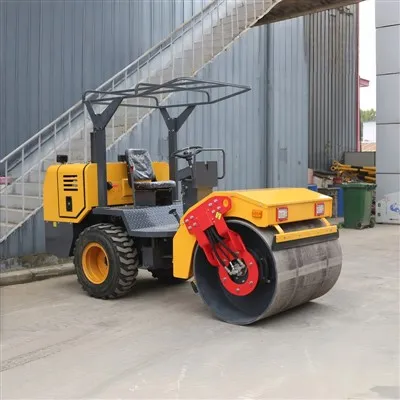
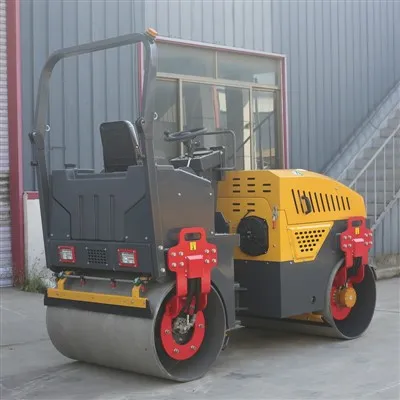
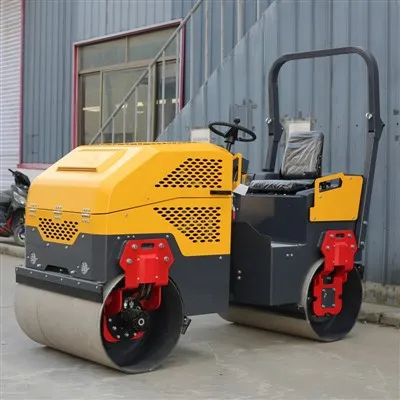
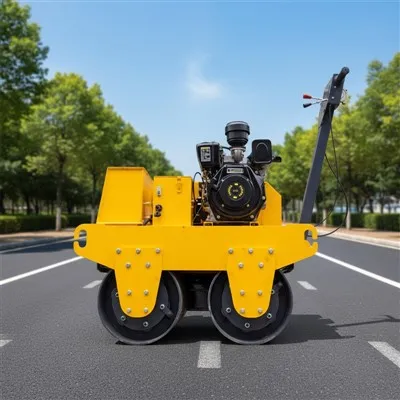
As a supplier of Mini Road Rollers, I often get asked whether our compact machines are suitable for compaction work in hilly areas. This is a crucial question as the terrain of hilly regions presents unique challenges that can significantly impact the performance and efficiency of road construction equipment. In this blog, I'll explore the feasibility of using a Mini Road Roller for compaction in hilly areas, highlighting its advantages, limitations, and key considerations.
Advantages of Using a Mini Road Roller in Hilly Areas
Maneuverability
One of the most significant advantages of a Mini Road Roller is its exceptional maneuverability. Unlike larger, heavy - duty road rollers, mini road rollers are compact and lightweight, making them ideal for navigating the narrow and winding roads commonly found in hilly areas. Their small size allows operators to easily turn and adjust the direction of the roller, even in tight spaces. This is particularly important when working on hilly terrains where the road layout can be irregular and space is often limited. For example, on mountainous village roads or forest trails, a Mini Road Roller can access areas that larger rollers simply cannot reach.
Versatility
Mini road rollers are highly versatile machines. They can be used for compacting a variety of materials, including soil, gravel, and asphalt. In hilly areas, different types of materials may be used for road construction depending on the local availability and the specific requirements of the project. A Mini Road Roller can adapt to these different materials, providing a cost - effective solution for compaction. Whether you're building a new dirt road up a hill or repairing an existing asphalt path, a mini road roller can get the job done.
Ease of Transportation
In hilly regions, transporting heavy construction equipment can be a major challenge. Roads may be steep, narrow, and in poor condition, making it difficult to move large machinery. Mini road rollers, on the other hand, are relatively easy to transport. They can be loaded onto a small trailer or truck and transported to the job site without the need for specialized transportation equipment. This not only saves time and money but also allows for more flexibility in project planning.
Limitations of Using a Mini Road Roller in Hilly Areas
Limited Compaction Force
Compared to larger road rollers, mini road rollers have a limited compaction force. In hilly areas, where the soil may be more compacted or the road base needs to withstand greater loads, this limited force can be a drawback. For example, when constructing a major highway on a hilly slope that will carry heavy traffic, a Mini Road Roller may not be able to achieve the required compaction density. In such cases, larger Single Drum Roller or Double Drum Roller may be more appropriate.
Stability Issues
Hilly terrain poses stability challenges for any construction equipment, and mini road rollers are no exception. Their lightweight design can make them more prone to tipping over on steep slopes. Operators need to be extremely careful when using a Mini Road Roller on hills to ensure the safety of the machine and themselves. Additionally, the uneven ground surface in hilly areas can cause the roller to bounce or lose contact with the ground, reducing its compaction effectiveness.
Key Considerations for Using a Mini Road Roller in Hilly Areas
Operator Training
Proper operator training is essential when using a Mini Road Roller in hilly areas. Operators should be familiar with the specific challenges of working on slopes, including how to manage the machine's speed, direction, and stability. Training programs should cover topics such as hill - climbing techniques, braking on slopes, and handling the roller in different weather conditions. A well - trained operator can maximize the performance of the Mini Road Roller while minimizing the risk of accidents.


Machine Selection
Not all mini road rollers are created equal, especially when it comes to working in hilly areas. When selecting a Mini Road Roller for a hilly project, consider factors such as the roller's weight, center of gravity, traction, and compaction force. Look for models that are specifically designed for use on slopes and have features such as anti - slip drums and enhanced stability systems. For example, a Gasoline Road Roller may offer more power and traction compared to some electric models, making it a better choice for hilly terrain.
Site Preparation
Proper site preparation is crucial for successful compaction in hilly areas. Before using a Mini Road Roller, clear the site of any obstacles, such as rocks, roots, or debris. Ensure that the ground surface is as level as possible, especially on the steepest sections of the slope. This can help improve the stability of the roller and the effectiveness of the compaction process. Additionally, consider installing retaining walls or other support structures to prevent soil erosion and landslides during the construction process.
Conclusion
In conclusion, a Mini Road Roller can be a viable option for compaction in hilly areas, especially for small - scale projects or in areas with limited access. Its maneuverability, versatility, and ease of transportation make it a practical choice for many road construction tasks. However, it's important to be aware of its limitations, such as limited compaction force and stability issues, and take appropriate measures to mitigate these challenges.
If you're considering a compaction project in a hilly area and are interested in learning more about our Mini Road Rollers, we'd be delighted to have a discussion with you. We can provide detailed information about our products, including their features, performance, and suitability for your specific project requirements. Contact us to start a conversation about your compaction needs and explore how our Mini Road Rollers can help you achieve your goals.
References
- "Compaction Equipment Handbook" by John Wiley & Sons
- "Road Construction in Hilly Terrains: Best Practices" published by the International Road Federation