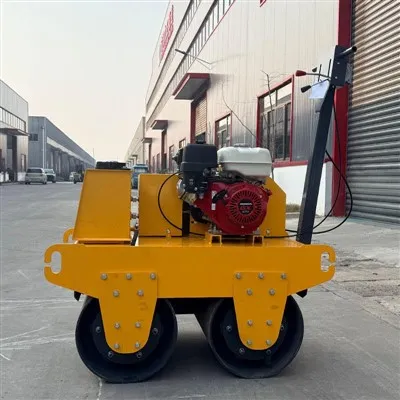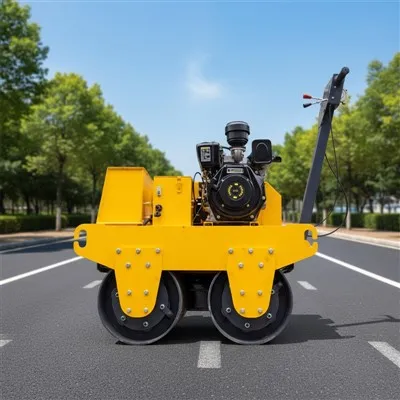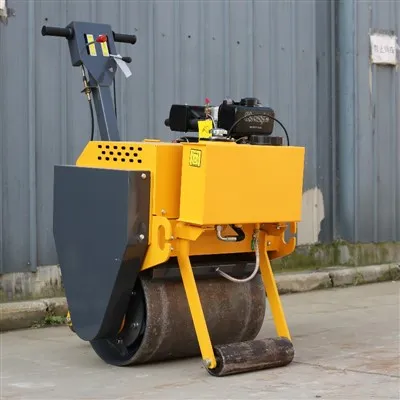

As a provider of Small Compactors, I understand the critical importance of energy efficiency in today's construction and road - building industries. Energy efficiency not only reduces operational costs but also contributes to environmental sustainability. Here are some practical ways to optimize the energy efficiency of a Small Compactor.
1. Engine Selection and Maintenance
The engine is the heart of a Small Compactor. Opting for an energy - efficient engine from the start can bring long - term savings. Modern engines are designed with advanced fuel injection systems and combustion mechanisms that improve fuel utilization. For example, engines with electronic control units (ECUs) can precisely adjust the fuel - air mixture according to the load and operating conditions of the compactor.
Regular maintenance of the engine is equally crucial. Changing the air filter regularly ensures that the engine receives an adequate supply of clean air. A clogged air filter restricts airflow, leading to incomplete combustion and higher fuel consumption. Similarly, keeping the fuel filter clean allows for a consistent fuel supply, which is essential for efficient engine performance. Checking and adjusting the engine's valves, spark plugs (for gasoline engines), and ignition timing can also help maintain optimal combustion, reducing energy waste.

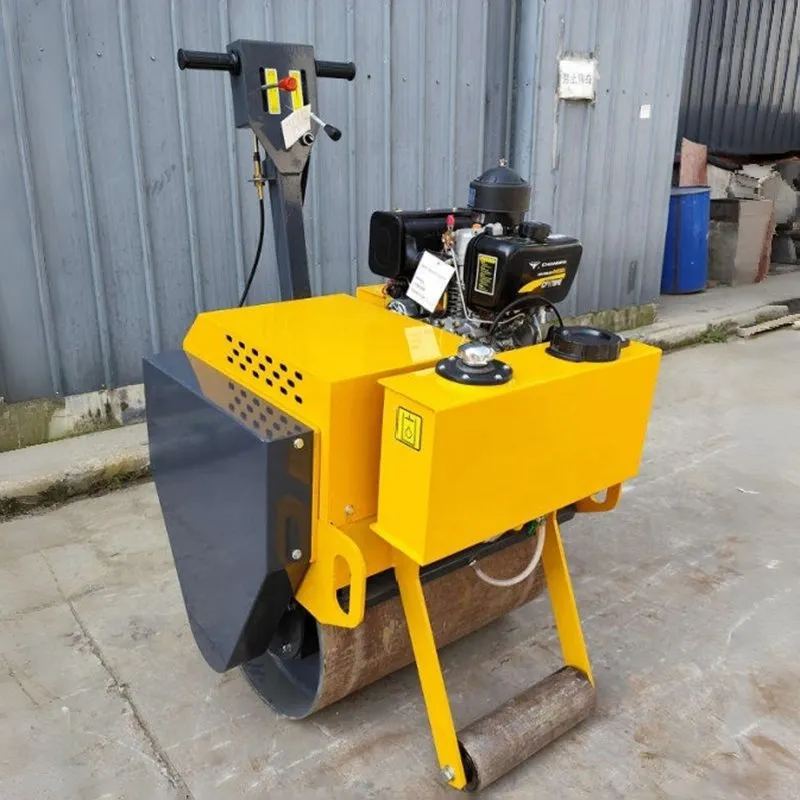
2. Compaction Technology and Operation
Modern Small Compactors come with advanced compaction technologies that can significantly improve energy efficiency. For instance, some compactors are equipped with intelligent compaction systems. These systems use sensors to measure the stiffness of the ground being compacted. Based on the sensor data, the compactor can automatically adjust the vibration frequency and amplitude, ensuring that the right amount of energy is applied for effective compaction. This way, the compactor does not over - compact, which would waste energy, or under - compact, which would require additional passes and thus more energy.
Operator training also plays a vital role in energy - efficient operation. A well - trained operator knows how to select the appropriate working speed and vibration mode for different types of soil and compaction tasks. Operating the compactor at a speed that is too fast or too slow can lead to inefficient compaction and increased energy consumption. For example, when compacting granular soils, a higher vibration frequency may be more effective, while cohesive soils may require a lower frequency with higher amplitude.
3. Machine Design and Weight Distribution
The design of the Small Compactor itself can have a significant impact on energy efficiency. Manufacturer should focus on lightweight but strong materials in the compactor's construction. Reducing the overall weight of the compactor while maintaining its structural integrity means less energy is required to move and operate the machine.
Proper weight distribution is another important factor. A well - balanced compactor distributes its weight evenly across the drums, ensuring consistent compaction. This minimizes the need for excessive energy consumption due to uneven loading on the drums. For example, if the weight is concentrated on one side of the compactor, it may cause uneven pressure on the ground, leading to incomplete compaction and the need for additional passes.
4. Hydraulic System Optimization
Most Small Compactors are equipped with hydraulic systems for functions such as drum vibration and steering. Optimizing the hydraulic system can lead to substantial energy savings. Firstly, using high - quality hydraulic fluid with proper viscosity is essential. The right viscosity ensures smooth operation of the hydraulic components and reduces internal friction, which in turn reduces energy loss.
Regularly checking and maintaining the hydraulic hoses and fittings for leaks is also crucial. A hydraulic leak not only leads to a loss of hydraulic fluid but also requires the pump to work harder to maintain the required pressure, increasing energy consumption. Additionally, installing variable - displacement pumps in the hydraulic system can adjust the flow rate according to the actual demand, reducing energy waste during idle or low - load operations.
5. Comparison with Other Road - Building Equipment
When considering energy efficiency in the context of road - building equipment, it's interesting to compare Small Compactors with other similar machines such as the Double Drum Roller, Single Drum Roller, Gasoline Road Roller, and Mini Road Roller.
Double Drum Rollers, for example, are generally larger and more powerful than Small Compactors. While they are suitable for larger - scale road construction projects, their energy consumption is typically higher. Small Compactors, on the other hand, are more energy - efficient for smaller - scale projects or areas with limited access, such as sidewalks or small driveways.
Single Drum Rollers may offer different compaction capabilities depending on their design. Some are more suited for granular soils, while others can handle cohesive soils better. However, their energy efficiency can vary based on factors such as engine size and compaction technology.
Gasoline Road Rollers are convenient due to the availability of gasoline, but they may not be as energy - efficient as modern diesel - powered Small Compactors, especially in terms of fuel consumption per unit of compaction work.
Mini Road Rollers are even more compact than Small Compactors and are often used for very small - scale projects. While they consume less energy overall, their compaction capacity is also limited compared to Small Compactors.
6. Continuous Monitoring and Improvement
Implementing a continuous monitoring system for the Small Compactor can help further optimize energy efficiency. This can include tracking fuel consumption, engine performance, and operating hours. By analyzing this data regularly, operators can identify trends and potential areas for improvement.
For example, if the fuel consumption of the compactor has been increasing over time, it could indicate a problem with the engine, hydraulic system, or other components. Promptly addressing these issues can prevent further energy waste. Additionally, as new technologies and best practices emerge in the industry, it's important to keep the compactor updated, either through software upgrades or hardware modifications, to ensure it remains energy - efficient.
In conclusion, optimizing the energy efficiency of a Small Compactor requires a comprehensive approach, including engine selection and maintenance, advanced compaction technology and proper operation, intelligent machine design, hydraulic system optimization, continuous monitoring, and improvement. As a Small Compactor supplier, we are committed to providing high - quality, energy - efficient compactors and sharing our knowledge to help our customers reduce their energy costs and environmental impact.
If you are interested in our Small Compactors or want to discuss how to further optimize energy efficiency in your road - building projects, we welcome you to contact us for procurement and in - depth discussions.
References
- Construction Equipment Handbook, various editions
- Journal of Construction Machinery Energy Efficiency
- Manufacturer's manuals for Small Compactors and related road - building equipment