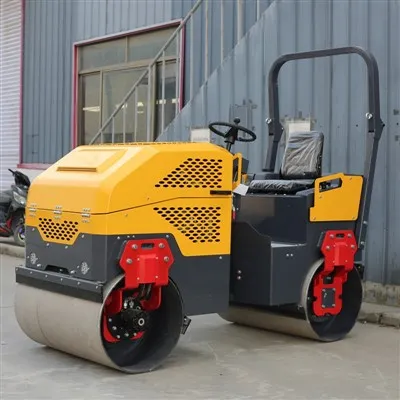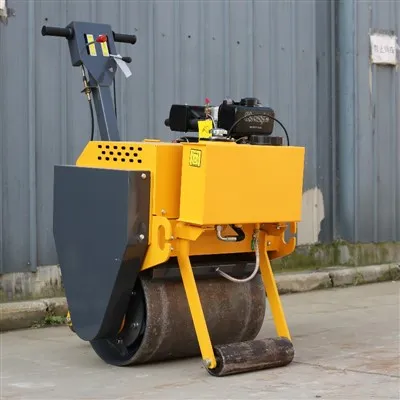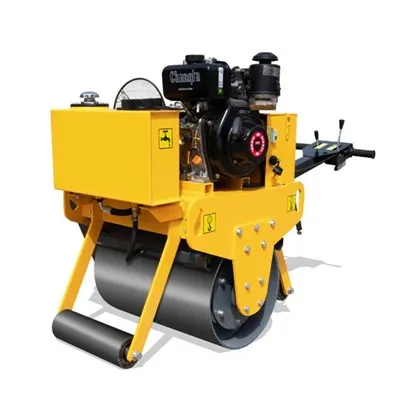

Hey there! As a supplier of Diesel Road Rollers, I often get asked about how often the diesel fuel in these machines should be changed. It's a crucial question, as proper fuel maintenance can significantly impact the performance and lifespan of your road roller. So, let's dive right in and explore this topic in detail.
Understanding the Importance of Fuel Change
First off, why is it so important to change the diesel fuel regularly? Well, diesel fuel can degrade over time, especially when it's exposed to air, water, and contaminants. As it degrades, it can form sludge and other deposits that can clog the fuel system, including the fuel filters, injectors, and pumps. This can lead to a variety of problems, such as reduced engine power, poor fuel efficiency, and even engine damage.
In addition to degradation, diesel fuel can also become contaminated with water, dirt, and other particles. Water in the fuel can cause corrosion in the fuel system, while dirt and other particles can wear down the moving parts in the engine. Regular fuel changes can help prevent these issues and keep your road roller running smoothly.
Factors Affecting Fuel Change Frequency
The frequency of diesel fuel changes in a Diesel Road Roller can vary depending on several factors. Here are some of the key factors to consider:
1. Usage
The amount of time your road roller is in use is one of the most significant factors. If you're using your road roller for long hours every day, the fuel will be consumed more quickly, and you may need to change it more frequently. On the other hand, if your road roller is used infrequently, you may be able to go longer between fuel changes.
2. Operating Conditions
The conditions in which your road roller operates can also affect the fuel change frequency. If you're working in a dusty or dirty environment, the fuel is more likely to become contaminated, and you may need to change it more often. Similarly, if you're operating in extreme temperatures, the fuel may degrade more quickly.
3. Fuel Quality
The quality of the diesel fuel you use can also play a role. High-quality fuel is less likely to degrade and become contaminated, so you may be able to go longer between fuel changes. It's important to use fuel from a reputable supplier and to follow the manufacturer's recommendations for fuel quality.
4. Maintenance Schedule
Your overall maintenance schedule can also impact the fuel change frequency. Regularly changing the fuel filters and performing other maintenance tasks can help keep the fuel system clean and reduce the need for frequent fuel changes.
General Guidelines for Fuel Change
While the exact fuel change frequency will depend on the factors mentioned above, here are some general guidelines to follow:
1. Manufacturer's Recommendations
The first place to look for fuel change guidelines is the manufacturer's manual. The manufacturer will typically provide specific recommendations based on the model of your road roller and its intended use. It's important to follow these recommendations to ensure the optimal performance and longevity of your machine.
2. Time and Usage Intervals
As a general rule of thumb, you should consider changing the diesel fuel in your road roller every 200 - 300 hours of operation or every 3 - 6 months, whichever comes first. However, this can vary depending on the factors mentioned earlier. If you're using your road roller in harsh conditions or for extended periods, you may need to change the fuel more frequently.
3. Visual Inspection
In addition to following the recommended time and usage intervals, it's also a good idea to perform a visual inspection of the fuel regularly. Look for signs of contamination, such as water, dirt, or sludge. If you notice any of these signs, it's a good indication that the fuel needs to be changed.
Tips for Fuel Maintenance
Here are some tips to help you maintain the diesel fuel in your road roller:
1. Use High-Quality Fuel
As mentioned earlier, using high-quality fuel is essential. Look for fuel that meets the manufacturer's specifications and is free from contaminants. You can also consider using fuel additives to help prevent degradation and contamination.
2. Keep the Fuel Tank Clean
Regularly clean the fuel tank to remove any dirt, water, or sludge. This can help prevent contamination and ensure the fuel system operates smoothly.
3. Change the Fuel Filters Regularly
The fuel filters play a crucial role in keeping the fuel clean. Make sure to change them according to the manufacturer's recommendations. This will help prevent contaminants from reaching the engine and causing damage.
4. Store the Fuel Properly
If you're storing diesel fuel for an extended period, make sure to store it in a clean, dry, and cool place. Use a fuel storage container that is specifically designed for diesel fuel and keep it tightly sealed to prevent air and water from entering.
Our Range of Road Rollers
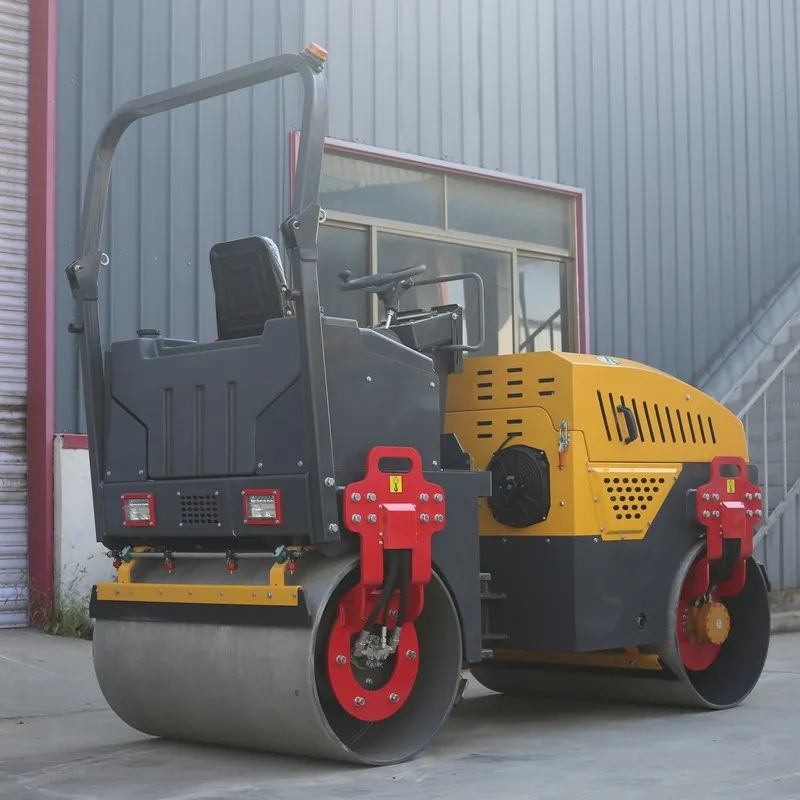
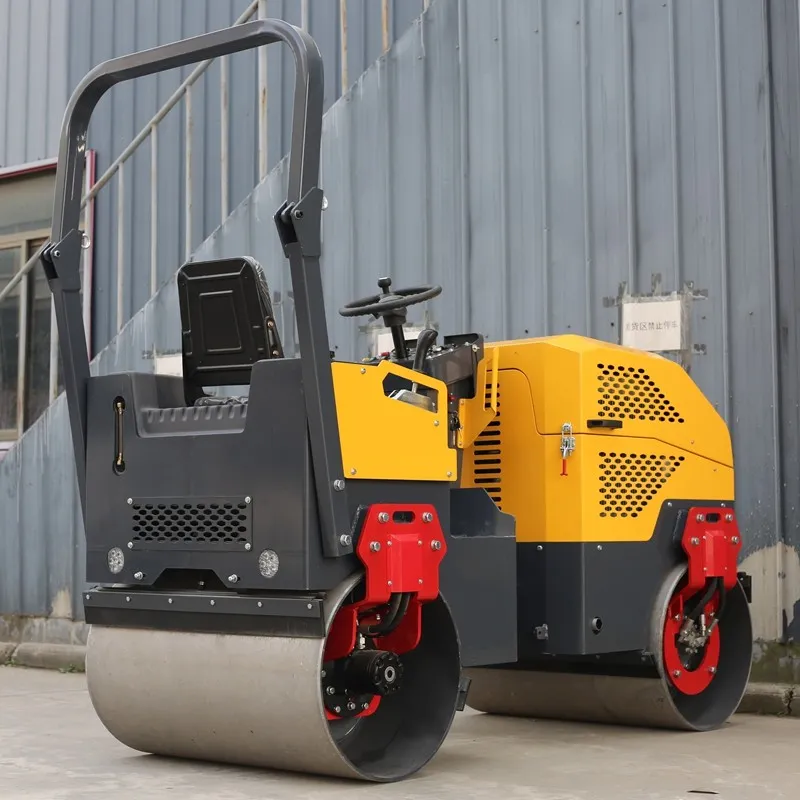
At our company, we offer a wide range of road rollers to meet your needs. Whether you're looking for a Mini Ride-on Roller, a Diesel Road Roller, a Full Hydraulic Road Roller, a Vibratory Roller, or a Ride-on Soil Compactor, we've got you covered.
Our road rollers are built to last and are designed to provide reliable performance in a variety of applications. We also offer comprehensive support and maintenance services to ensure your road roller stays in top condition.
Contact Us for More Information
If you have any questions about diesel fuel change or our range of road rollers, don't hesitate to contact us. We're here to help you make the right decision for your needs and to provide you with the support and guidance you need to keep your road roller running smoothly.
References
- Diesel Engine Fuel System Maintenance Guide
- Road Roller Manufacturer's Manuals