
How does a ride - on soil compactor perform on slopes with different gradients?
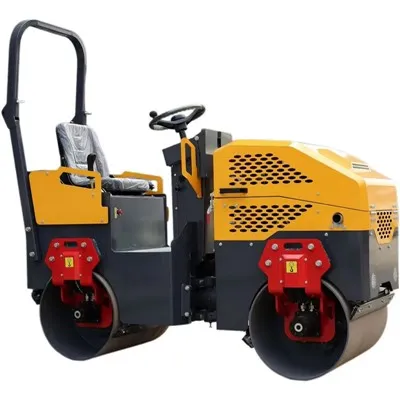
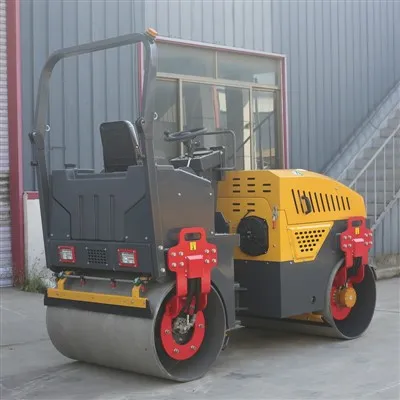
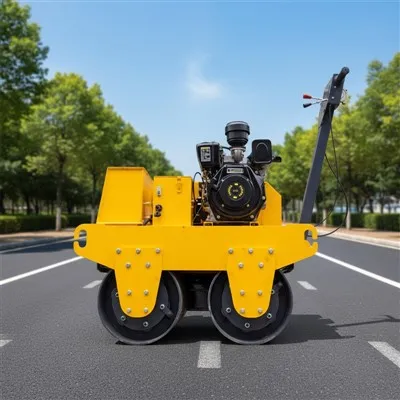
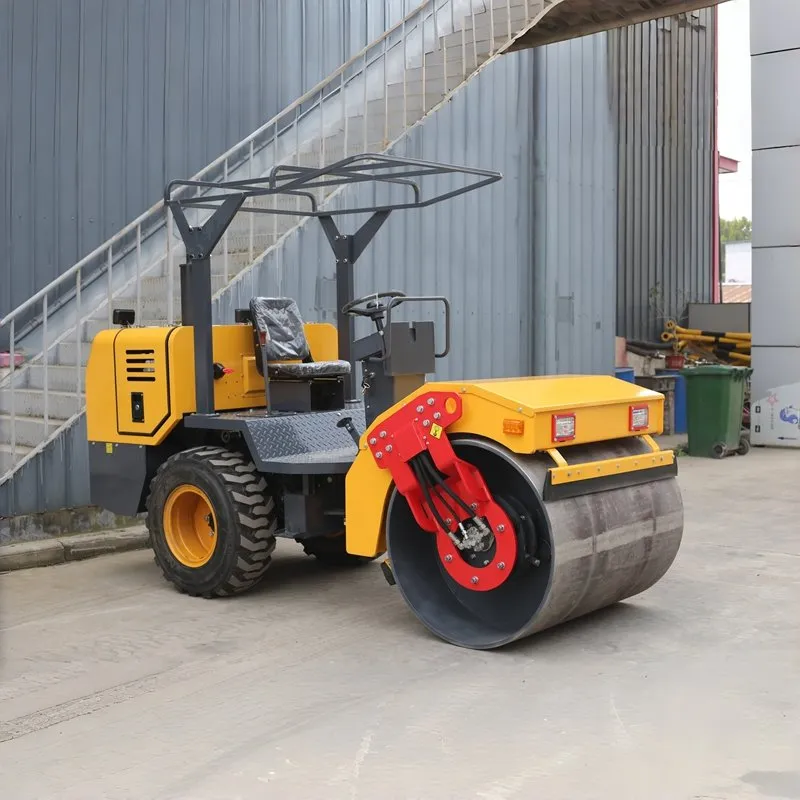
As a supplier of Ride-on Soil Compactor, I've witnessed firsthand the critical role these machines play in construction projects, especially when it comes to working on slopes. The performance of a ride-on soil compactor on slopes is influenced by several factors, including the slope gradient, soil type, and the design of the compactor itself.
Understanding Slope Gradients
Slope gradients are typically expressed as a percentage or in degrees. A gentle slope might have a gradient of 5 - 10%, while a steeper slope could range from 20 - 30% or more. The gradient of the slope significantly affects the compactor's ability to operate safely and efficiently.
On gentle slopes, say up to 10%, a ride-on soil compactor can generally operate with relative ease. Its weight distribution and traction are usually sufficient to maintain stability. The compactor's engine power and hydraulic systems can handle the additional load required to move up the slope. The operator can control the speed and direction of the compactor smoothly, and the compaction process can be carried out as normal. The machine's vibration system can effectively transfer energy to the soil, compacting it to the desired density.
However, as the slope gradient increases, the challenges become more pronounced. At gradients between 10 - 20%, the compactor's stability starts to be a concern. The center of gravity of the machine shifts, increasing the risk of tipping. The traction of the wheels or tracks also becomes more critical. If the soil is loose or slippery, the compactor may struggle to gain enough grip to move up or down the slope safely. The operator needs to be more cautious and may need to adjust the speed and vibration settings accordingly.
When dealing with slopes steeper than 20%, special precautions are necessary. The compactor's design must be able to withstand the increased forces acting on it. Some ride-on soil compactors are equipped with features such as anti - roll bars and stability control systems to enhance safety on steep slopes. The operator may need to use additional safety equipment, such as a safety harness. The compaction process may also need to be modified. For example, the compactor may need to make multiple passes at a slower speed to achieve the desired compaction without compromising safety.
Soil Type and Compaction on Slopes
The type of soil on the slope also has a significant impact on the performance of the ride-on soil compactor. Different soil types have different properties, such as cohesion, permeability, and particle size, which affect how they respond to compaction.
For cohesive soils, like clay, the compactor's vibration can help to rearrange the soil particles and increase the density. On slopes, however, the cohesive nature of the soil can sometimes lead to problems. If the soil is too wet, it may become slippery, reducing the compactor's traction. On the other hand, if the soil is too dry, it may be more difficult to compact. The operator may need to adjust the moisture content of the soil before or during the compaction process.
Granular soils, such as sand and gravel, are generally easier to compact than cohesive soils. They have good drainage properties, which means that the compactor can operate more effectively on slopes. However, granular soils can also be more prone to erosion, especially on steeper slopes. The compactor's weight and movement can cause the soil particles to shift, potentially leading to erosion. To prevent this, the operator may need to use techniques such as terracing or installing erosion control blankets.
Design Features of Ride-on Soil Compactors for Slopes
Modern ride-on soil compactors are designed with several features to enhance their performance on slopes. One important feature is the weight distribution. A well - designed compactor has a low center of gravity, which helps to improve stability on slopes. The weight is distributed evenly across the wheels or tracks, ensuring maximum traction.
Another feature is the traction control system. This system can automatically adjust the power to the wheels or tracks based on the slope gradient and soil conditions. For example, on a steep slope with slippery soil, the traction control system can increase the power to the wheels to prevent slipping.
The vibration system of the compactor is also crucial. It can be adjusted to suit different soil types and slope gradients. On gentle slopes, a higher vibration frequency may be used to achieve faster compaction. On steeper slopes, a lower vibration frequency may be more appropriate to maintain stability.
Some ride-on soil compactors are also equipped with a hydraulic braking system. This system provides reliable stopping power, even on slopes. The operator can use the brakes to control the speed of the compactor when moving up or down the slope.
Safety Considerations
Safety is of utmost importance when operating a ride-on soil compactor on slopes. Before starting the compaction process, the operator should conduct a thorough inspection of the slope and the compactor. The slope should be checked for any signs of instability, such as cracks or loose soil. The compactor should be checked for any mechanical problems, such as brake failure or steering issues.
The operator should also be properly trained on how to operate the compactor on slopes. They should know how to adjust the speed, vibration, and traction settings based on the slope gradient and soil conditions. They should also be aware of the safety features of the compactor and how to use them in case of an emergency.
In addition, the operator should wear appropriate safety equipment, such as a hard hat, safety glasses, and a safety harness. The work area should be marked with warning signs to prevent unauthorized access.
Comparison with Other Types of Road Rollers
In the construction industry, there are several types of road rollers, including Diesel Road Roller, Full Hydraulic Road Roller, Vibratory Roller, and Mini Ride-on Roller. Each type has its own advantages and disadvantages when it comes to working on slopes.
Diesel road rollers are known for their high power and durability. They are suitable for large - scale construction projects and can handle relatively steep slopes. However, their size and weight can make them less maneuverable on narrow or uneven slopes.
Full hydraulic road rollers offer precise control and smooth operation. They can adjust the compaction force and vibration frequency easily, which is beneficial on slopes with different gradients. However, they may be more expensive to purchase and maintain.
Vibratory rollers are effective at compacting a variety of soil types. They can generate high - frequency vibrations, which help to achieve better compaction results. On slopes, the vibration can help to improve the traction of the roller. However, excessive vibration on steep slopes can also increase the risk of instability.
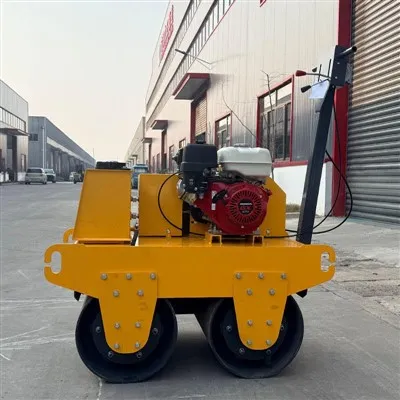
Mini ride-on rollers are lightweight and easy to maneuver. They are suitable for small - scale projects and can access tight spaces on slopes. However, their compaction capacity is limited compared to larger rollers.
Conclusion and Call to Action
In conclusion, the performance of a ride-on soil compactor on slopes with different gradients depends on several factors, including the slope gradient, soil type, and the design of the compactor. By understanding these factors and taking appropriate safety precautions, operators can ensure that the compaction process is carried out safely and efficiently.
If you are in the market for a ride-on soil compactor or any other type of road roller, we are here to help. Our team of experts can provide you with detailed information about our products and help you choose the right machine for your specific needs. Whether you are working on a small residential project or a large commercial development, we have the solution for you. Contact us today to start the procurement process and discuss how our ride-on soil compactors can enhance your construction projects.

References
- Bowles, J. E. (1996). Foundation analysis and design. McGraw - Hill.
- Coduto, D. P., Kitch, K. L., & Duncan, J. M. (2011). Geotechnical engineering: Principles and practices. Wiley.
- Materials, M. (2006). Compaction of soils and granular materials. ASTM International.