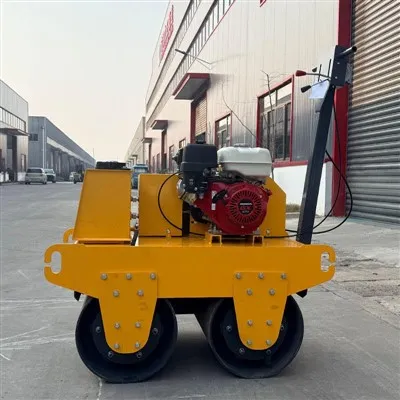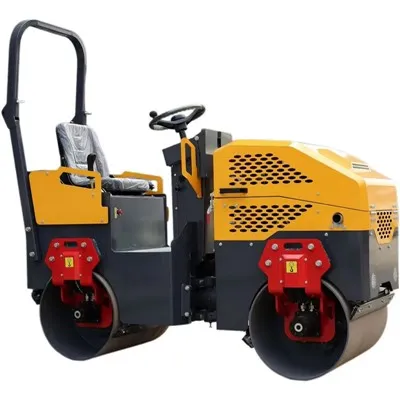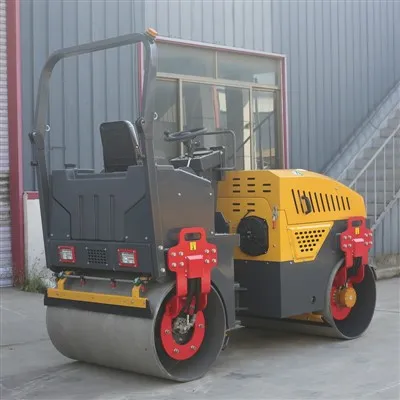

Storing a ride-on roller during the off-season is crucial to ensure its longevity and optimal performance when the next work season rolls around. As a ride-on roller supplier, I've seen firsthand the difference proper storage can make. So, let's dive into how to do it right.
Preparing Your Ride-on Roller for Storage
Before you tuck your ride-on roller away for the off-season, there are a few key steps to take. These steps will help protect your equipment from damage and keep it in top shape.
Clean the Roller Thoroughly
The first step is to clean the roller. Dirt, debris, and other contaminants can cause corrosion and other damage over time. Use a high-pressure washer to remove any dirt, mud, or asphalt from the roller's surface. Pay special attention to the wheels, drums, and other moving parts. Make sure to clean the engine and other components as well. You can use a degreaser to remove any oil or grease stains.
Inspect for Damage
Once the roller is clean, it's time to inspect it for damage. Look for any cracks, leaks, or other signs of wear and tear. Check the tires for proper inflation and any signs of damage. Inspect the hydraulic hoses and connections for leaks. If you find any damage, make sure to repair it before storing the roller.
Change the Fluids
Changing the fluids in your ride-on roller is an important step in preparing it for storage. This includes the engine oil, hydraulic fluid, coolant, and fuel. Fresh fluids will help prevent corrosion and other damage during storage. Make sure to follow the manufacturer's recommendations for the type and amount of fluid to use.
Charge the Battery
A dead battery can cause a lot of problems when you're ready to start using your ride-on roller again. Make sure to charge the battery fully before storing the roller. You can use a battery charger to keep the battery charged during the off-season. If you're going to be storing the roller for an extended period of time, you may want to consider removing the battery and storing it separately.
Lubricate Moving Parts
Lubricating the moving parts of your ride-on roller will help prevent rust and corrosion. Use a high-quality lubricant to lubricate the bearings, joints, and other moving parts. Make sure to follow the manufacturer's recommendations for the type and amount of lubricant to use.
Choosing the Right Storage Location
The next step is to choose the right storage location for your ride-on roller. The storage location should be dry, clean, and secure. Here are some things to consider when choosing a storage location:
Indoor vs. Outdoor Storage
Indoor storage is the best option for protecting your ride-on roller from the elements. It will help prevent rust, corrosion, and other damage caused by rain, snow, and sunlight. If you don't have access to indoor storage, outdoor storage is still an option. Make sure to cover the roller with a waterproof tarp to protect it from the elements.
Temperature and Humidity
The temperature and humidity of the storage location can also affect the condition of your ride-on roller. Ideally, the storage location should be kept at a temperature between 40°F and 80°F. High humidity can cause rust and corrosion, so make sure the storage location is well-ventilated.
Security
The storage location should be secure to prevent theft and vandalism. Make sure the location is locked and has a security system if possible. You may also want to consider using a GPS tracker to keep track of your ride-on roller.
Storing the Ride-on Roller
Once you've prepared your ride-on roller for storage and chosen the right storage location, it's time to store the roller. Here are some tips for storing the roller:
Park the Roller on a Level Surface
Park the roller on a level surface to prevent it from tipping over. Make sure the wheels are chocked to prevent the roller from rolling.
Cover the Roller
Cover the roller with a waterproof tarp to protect it from the elements. Make sure the tarp is secured tightly to prevent it from blowing off.
Store the Roller in a Vertical Position
If possible, store the roller in a vertical position. This will help prevent the tires from flat-spotting and the hydraulic fluid from leaking.
Use a Storage Rack
If you have multiple ride-on rollers to store, you may want to consider using a storage rack. A storage rack will help keep the rollers organized and prevent them from getting damaged.
Maintaining the Ride-on Roller During Storage
Even though your ride-on roller is in storage, it still needs some maintenance. Here are some tips for maintaining the roller during storage:
Check the Fluids Regularly
Check the fluids in your ride-on roller regularly to make sure they're at the proper level. If the fluids are low, add more as needed.
Inspect the Roller for Damage
Inspect the roller for damage regularly to make sure there are no signs of rust, corrosion, or other problems. If you find any damage, make sure to repair it as soon as possible.
Start the Roller Every Few Months
Starting the roller every few months will help keep the engine and other components in good working condition. Make sure to let the engine run for a few minutes to warm up before shutting it off.


Conclusion
Storing a ride-on roller during the off-season is an important part of maintaining its performance and longevity. By following these tips, you can ensure that your ride-on roller is in top shape when the next work season rolls around.
If you're in the market for a new ride-on roller, we've got a great selection of Ride-on Soil Compactor, Full Hydraulic Road Roller, Vibratory Roller, Diesel Road Roller, and Mini Ride-on Roller. We're here to help you find the perfect roller for your needs. Contact us to start the procurement discussion and get the best equipment for your projects.
References
- Manufacturer's manuals for various ride-on rollers
- Industry best practices for equipment storage