
Can a Gasoline Road Roller be Used in Cold Weather?
As a supplier of Gasoline Road Rollers, I often receive inquiries from customers about the performance and usability of our equipment in various weather conditions. One question that frequently comes up is whether a gasoline road roller can be used effectively in cold weather. In this blog post, I'll delve into the technical aspects, challenges, and solutions related to using gasoline road rollers during cold spells, and also introduce some of our top - notch products.
First, let's understand the working principle of a gasoline road roller. Gasoline road rollers, as the name suggests, are powered by gasoline engines. These engines work by mixing gasoline and air in a combustion chamber. The spark plug ignites the mixture, creating an explosion that drives the piston, which in turn powers the roller. However, cold weather can significantly affect this process.
One of the primary challenges in cold weather is the reduced volatility of gasoline. Gasoline needs to vaporize easily to form a combustible mixture with air. In cold temperatures, gasoline becomes less volatile, which means it doesn't vaporize as effectively. This can lead to hard starting of the engine. When the engine is difficult to start, it not only wastes time but can also cause excessive wear on the starter motor and other starting components.
Cold weather also has an impact on the battery of the gasoline road roller. Batteries generate electrical energy through a chemical reaction. Lower temperatures slow down this chemical reaction, reducing the battery's ability to deliver power. A weak battery may not provide enough energy to turn over the engine, further exacerbating the starting problem.
The lubricating oil in the engine also thickens in cold weather. Thick oil has higher viscosity, which means it doesn't flow as smoothly through the engine's components. This can cause increased friction between moving parts, leading to more wear and tear. Additionally, poor oil circulation can result in inadequate lubrication, which might damage the engine over time.
Another concern is the impact on hydraulic systems, if the gasoline road roller is equipped with such systems. Hydraulic fluids also thicken in cold weather, which can affect the smooth operation of hydraulic cylinders and pumps. This may lead to slower response times and less efficient compaction performance.

So, can a gasoline road roller still be used in cold weather? The answer is yes, but it requires some precautions and adaptations.
Before using the road roller in cold weather, it's crucial to perform a thorough pre - start inspection. Check the battery voltage and ensure it's fully charged. You can use a battery charger to top off the charge if necessary. In extremely cold conditions, you may want to consider using a battery warmer or insulating the battery to keep it at an optimal temperature.
For the fuel system, use gasoline with a higher octane rating and a winter - blend formula. Winter - blend gasoline is formulated to have better cold - weather performance, with additives that improve vaporization. Additionally, you can add a fuel additive designed to enhance cold - start performance and prevent fuel line freezing.
When it comes to the lubricating oil, switch to a lower - viscosity oil recommended for cold - weather operations. This thinner oil will flow more easily through the engine, reducing friction and ensuring proper lubrication. Make sure to change the oil filter at the same time to remove any contaminants that could affect the oil's performance.
For the hydraulic system, use a hydraulic fluid with a low - temperature viscosity rating. This will ensure that the hydraulic components operate smoothly even in cold temperatures. You should also check the hydraulic fluid level and look for any signs of leaks.
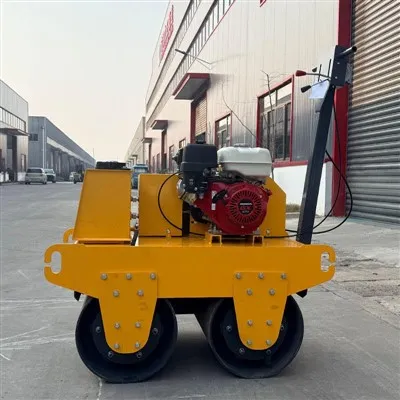
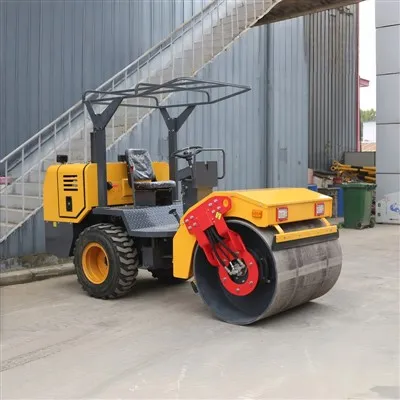
Now, let me introduce some of our excellent gasoline road roller products. We offer a wide range of options, including the Double Drum Roller. This type of roller is known for its high - efficiency compaction, thanks to its dual drums that provide more contact area with the ground. It's suitable for various road construction and maintenance projects.
Our Small Compactor is a great choice for small - scale projects or areas with limited access. It's easy to operate and maneuver, making it ideal for compacting soil, asphalt, or gravel in tight spaces.
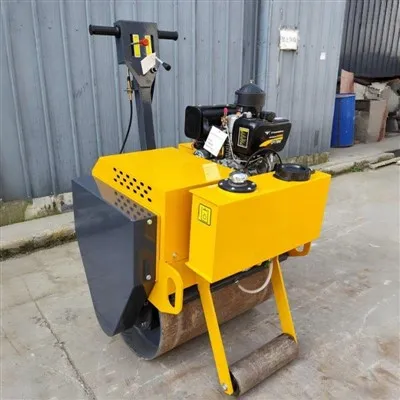
If you're looking for a highly versatile machine, our Mini Road Roller is a perfect fit. Despite its small size, it packs a punch with its powerful gasoline engine and reliable compaction performance.
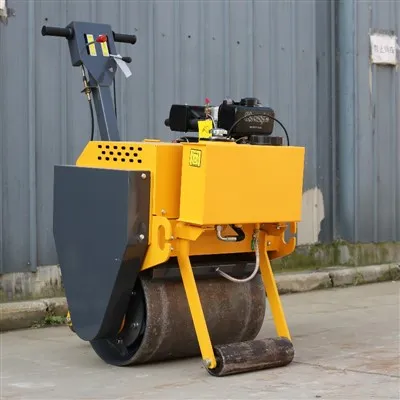
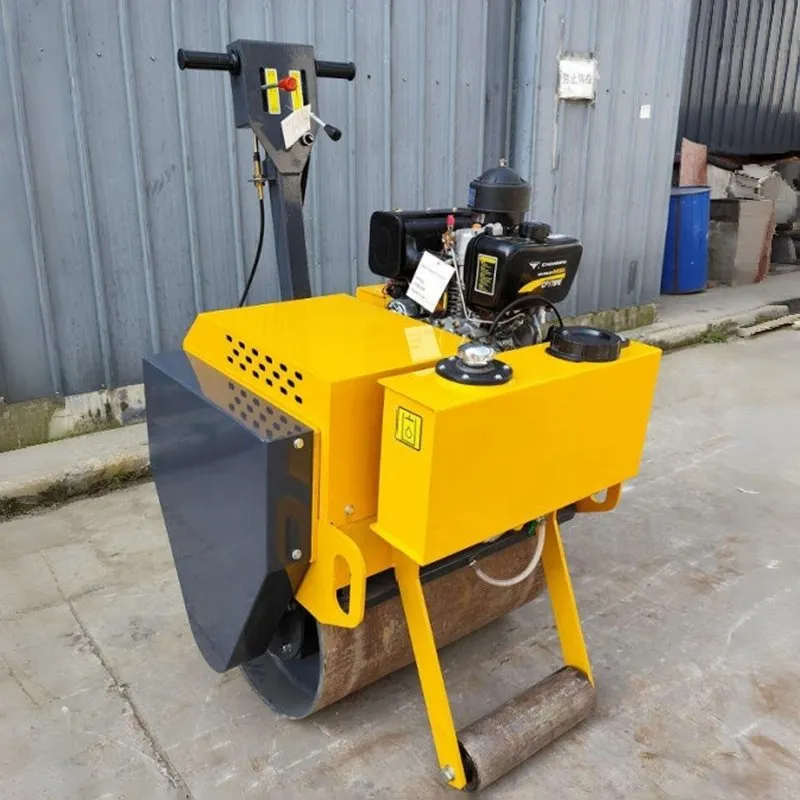
The Single Drum Roller is a classic option that offers excellent compaction results. It's commonly used in road construction and is designed to handle different types of terrain.
Of course, our flagship product, the Gasoline Road Roller, combines all the best features and technologies to provide a high - quality and reliable compaction solution for your road - related projects.
In conclusion, while cold weather presents some challenges for using gasoline road rollers, proper preparation and maintenance can ensure that these machines operate effectively. Our company is committed to providing high - quality gasoline road rollers and comprehensive after - sales support. If you're in the market for a gasoline road roller and want to discuss your specific needs, especially in the context of cold - weather use, feel free to reach out. We're here to assist you in making the right choice and ensuring that your road construction projects are a success. Don't hesitate to contact us for more information and to start a procurement discussion.
References
- "Cold Weather Engine Starting and Operation Guide." A manual provided by a leading engine manufacturer.
- "Hydraulic Systems in Cold Environments." A technical paper from a hydraulic engineering research institute.
- Industry standards and guidelines on road roller maintenance and operation in different weather conditions.